
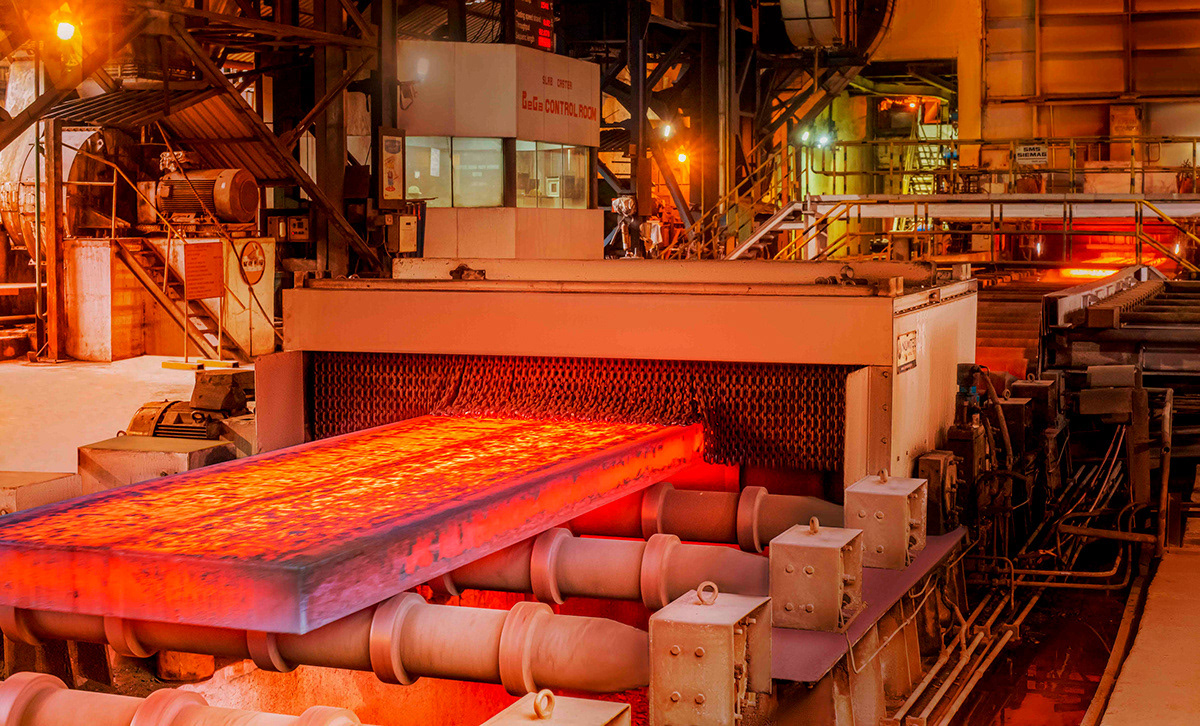
Winning a manufacturing contract usually comes down to price, capacity, and compliance on paper. But before a buyer or procurement team gets to any of that, they form a judgment based on what they can see. Facility photos, machinery images, and process documentation are often the first evidence a buyer has of whether your operation is as capable as your quote claims. When two suppliers are close on price and specification, industrial photography is frequently the quiet factor that tips a tender in one direction over another.
The short answer is yes, professional photography can genuinely help you win more B2B contracts. Not by replacing your quote, your compliance documents, or your track record, but by removing the doubt that stops a buyer from committing to a supplier they have never physically visited.
Where Contracts Are Actually Won and Lost
Most manufacturers assume tenders are decided purely on the scoring sheet: price, technical specification, delivery timeline, certifications. Those factors matter, but procurement teams are people making a judgment call on a supplier they may never meet in person. When two bids score similarly on paper, the deciding factor is often confidence: does this supplier look like an organization that can actually deliver at the scale and quality they claim?
Weak or missing visual documentation does not disqualify a bid outright, but it creates hesitation. A buyer scrolling through blurry phone photos or outdated stock images starts asking questions that a stronger competitor's submission never raises. That hesitation, multiplied across a shortlist of similar suppliers, is exactly where contracts are lost quietly, without anyone telling you why you did not win.
What Buyers and Procurement Teams Are Really Evaluating
International and enterprise buyers who cannot visit your facility before signing are evaluating you almost entirely through documentation and imagery. They are looking for evidence of scale, evidence of process control, evidence of a clean and organized operation, and evidence that the people running the floor know what they are doing. A specification sheet tells them what you claim to produce. Photography tells them what your operation actually looks like while producing it.
This is particularly true for export tenders, government contracts, and any procurement process with a formal evaluation stage. Buyers in these processes are often required to justify their supplier choice internally, and strong visual documentation gives them evidence they can point to when defending that decision to their own stakeholders.
The Site-Visit Substitute
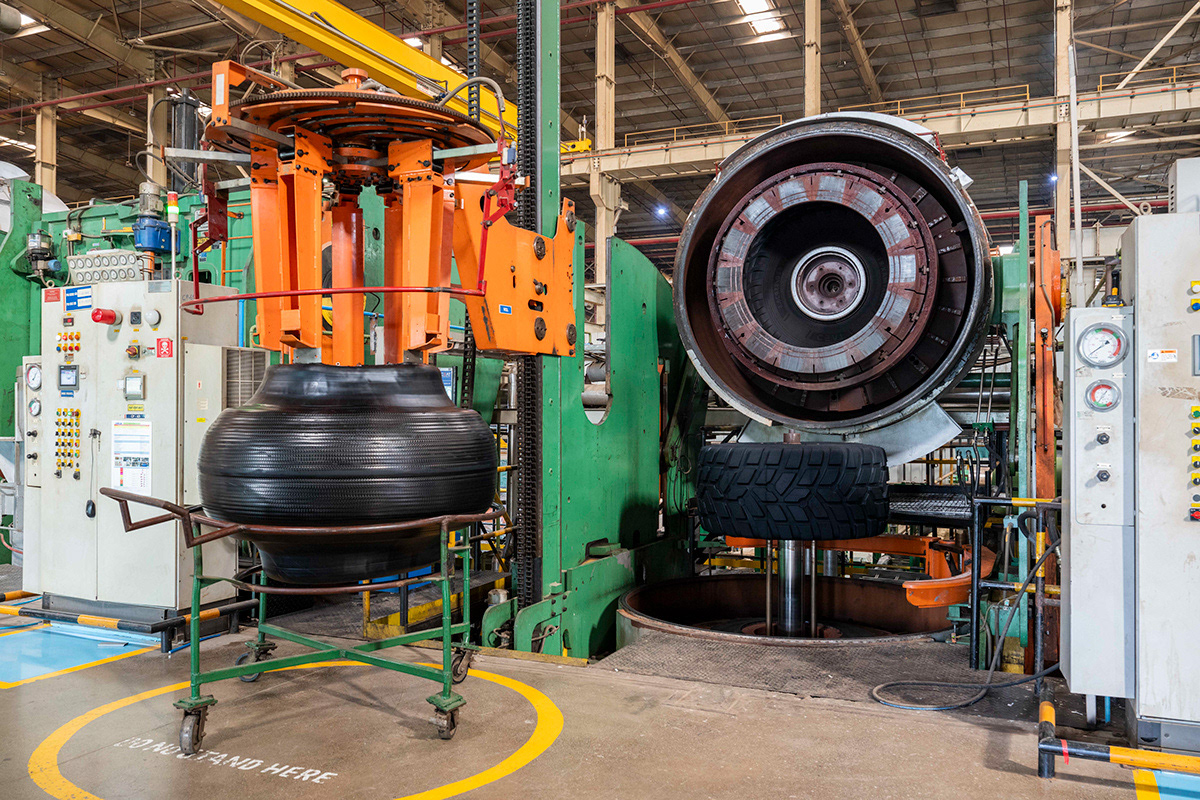
For decades, a physical facility visit was how serious buyers verified a manufacturing partner before committing to a large order. That is still true for very large contracts, but for a growing share of B2B procurement, especially cross-border sourcing, the site visit has been replaced or delayed by what the buyer can see online and in the bid documents.
This shift raises the stakes on your visual content considerably. If a buyer in Germany, the UAE, or the United States is deciding whether to shortlist your facility without ever walking your floor, your photography is doing the job a site visit used to do. It needs to show scale, cleanliness, active production, quality control checkpoints, and a workforce that looks competent and safe. Weak photography in this context is not a minor gap. It is the absence of the evidence a buyer is relying on to make the call.
How Photography Creates a Competitive Advantage in Bids
Two suppliers can offer nearly identical pricing and specifications and still produce very different impressions once the bid documents are opened. The one with a professionally documented facility, clear process photography, and organized visual evidence reads as more established and lower risk. This is the same logic behind B2B leads: photography is not just decoration for your website, it actively shapes how a buyer ranks you against competitors before a single conversation happens.
The advantage compounds in competitive bidding specifically because most manufacturers still underinvest in this area. A facility that looks genuinely well-documented stands out immediately against submissions padded with generic stock photography or a handful of inconsistent phone shots. You are not just meeting a bar, you are clearing it by a visible margin.
What This Looks Like in Practice
Winning a contract on the strength of your visual documentation is not about having beautiful photos in the abstract. It is about having the right categories of imagery ready before a tender deadline arrives. That typically means facility and infrastructure shots that establish scale, process photography that shows materials moving through production, quality control and testing imagery that supports compliance claims, and workforce photography that puts skilled people behind the operation. A full breakdown of photography types covers exactly which categories matter most depending on what you manufacture and who you are bidding to win.
Having this library ready in advance also matters practically. Tender deadlines are rarely generous enough to schedule and complete a photography shoot from scratch. Manufacturers who treat visual documentation as ongoing infrastructure, refreshed periodically rather than assembled in a rush, are the ones who can respond to a tender opportunity immediately instead of scrambling.
Choosing the Right Partner for This Work
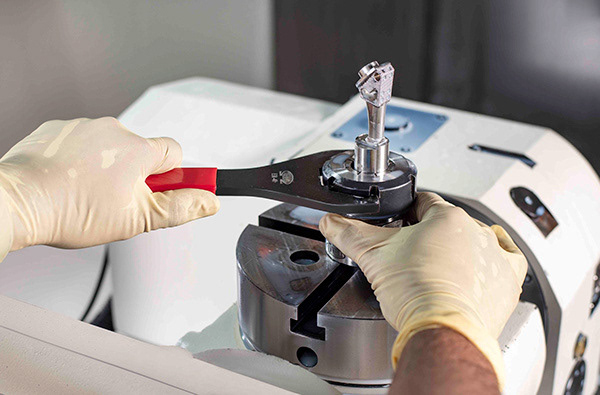
Not every photographer can produce imagery that holds up in a formal bid evaluation. The work requires someone who understands manufacturing environments, can work safely around active machinery, and knows which shots actually communicate operational credibility to a procurement team rather than just looking attractive. Our guide to choosing a corporate photographer walks through what separates a specialist from someone who simply owns a good camera.
If you are still weighing whether this is worth the investment relative to what you are currently using, the case for hiring an industrial photographer usually becomes clear the moment you compare a properly documented facility against the outdated exterior shot or generic stock image most manufacturers are currently relying on in their bids.
The Bottom Line
Photography will not win a contract on price or capability alone, and it should never be mistaken for a substitute for a strong technical submission. But in a competitive bidding process where buyers are making judgment calls under uncertainty, professional visual documentation removes hesitation, signals operational maturity, and gives you a real edge over competitors who are still submitting bids with weak or inconsistent imagery. Ridham Gajjar works with manufacturers across India to build the kind of visual documentation that holds up when it matters most, in front of a buyer deciding who gets the contract.
Frequently Asked Questions
Does professional photography actually influence tender or bid outcomes?
It rarely decides a bid on its own, but it removes doubt during evaluation. When two suppliers are close on price and specification, the one with clearer, more credible visual documentation gives evaluators more confidence to justify choosing them, which can be the difference in a close decision.
What kind of photography matters most for winning contracts specifically?
Facility and infrastructure imagery that shows scale, process photography that demonstrates active production, quality control documentation, and workforce photography all matter more for bids than polished lifestyle-style shots. Buyers evaluating a tender want evidence of capability, not aesthetic appeal alone.
Can I reuse the same photography across multiple tenders and bids?
Yes, and this is one of the strongest reasons to invest in a proper shoot rather than scrambling before each deadline. A well-planned photography library gets reused across tenders, export profiles, sales decks, and your website, which spreads the cost of one shoot across every bid you submit afterward.
How does this compare to just inviting buyers to visit our facility in person?
An in-person visit is still valuable for large contracts, but many buyers, especially international ones, shortlist or eliminate suppliers before a visit is ever scheduled. Photography is often what determines whether you make it onto that shortlist in the first place.
Is this only relevant for large manufacturers competing for major export contracts?
No. Smaller manufacturers competing for domestic tenders or first-time B2B clients often benefit the most, since they usually have the least existing brand recognition to fall back on. Strong visual documentation gives a smaller, less established supplier a way to look as credible as larger, better-known competitors during evaluation.