
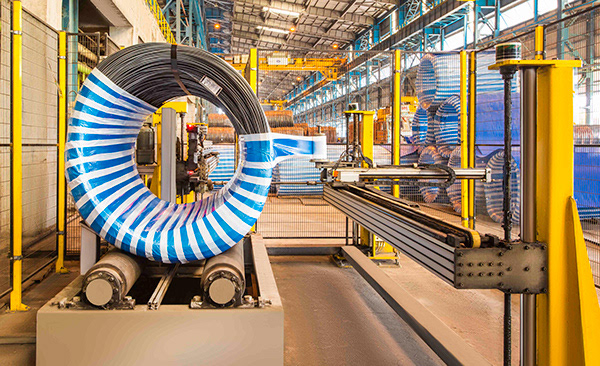
Not all industrial photography is the same. A close-up of a precision component, a wide shot of a production line, and an aerial view of an entire plant are three very different jobs, each needing its own approach, lighting, and skill. If you manufacture anything, knowing which types you actually need helps you spend wisely and market effectively. To see how these categories come together in practice, it is worth looking at real industrial and product photography and the experience behind it before you plan a shoot.
This guide breaks down the types of industrial photography that manufacturers rely on most, how the discipline differs from ordinary commercial work, what it takes to do it well, and how each category earns its place in your marketing. Let us get into it.
The Main Types of Industrial Photography Manufacturers Need Most
Industrial settings call for several distinct styles of photography. Most manufacturers need a mix of the following, chosen to match how they sell and who they sell to.
Product and component photography. Clean, detailed images of what you actually make. This is the backbone of most catalogues, websites, and B2B listings, and it overlaps closely with dedicated product photography, where clarity, finish, and accuracy matter most.
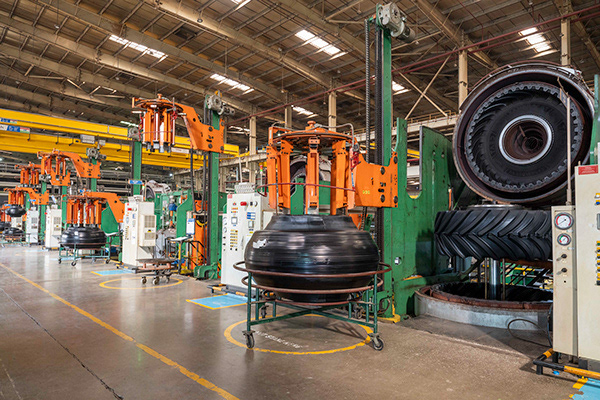
Machinery and equipment photography. Images that make your machines and installations look powerful, precise, and capable. Essential for suppliers of equipment and for showing your production strength.
Facility and architectural photography. Wide, well-composed shots of your plant, workshop, or clean room that convey scale, order, and professionalism. These reassure clients about your capacity and standards.
Process and documentary photography. Images that capture work in motion, from raw material to finished product. This storytelling style shows how you operate and builds real trust.
Aerial and drone photography. Elevated views of large sites, plants, and infrastructure that no ground-level camera can achieve.
Team and corporate photography. Your people at work, adding a human, credible layer to an otherwise technical brand.
Most manufacturers do not need every type at once. The right combination depends on whether you sell components, machinery, or capacity, and which of these best answers your buyers' questions.
How Does Industrial Photography Differ From Commercial Photography?
People often use these terms interchangeably, but they are not the same. Commercial photography, in the broad sense, is aimed at selling a lifestyle or a consumer product, often in a controlled studio with a polished, aspirational look. Industrial photography is a specialised branch focused on machinery, facilities, processes, and technical products, usually shot on location in a working environment.
The key difference is context and difficulty. Industrial work happens on active sites with fixed equipment, mixed and often harsh lighting, reflective metal, dust, and strict safety rules. The goal is to make real, functional subjects look impressive while remaining accurate and honest. It rewards technical control and planning over studio styling, which is why it is treated as a discipline of its own.
What Equipment Is Essential for Industrial Photography?
Great industrial images depend as much on the right gear as on the eye behind the camera. The essentials typically include:
A capable camera and a range of lenses, from wide-angle for facilities and machinery to macro for fine component detail.
A sturdy tripod, vital for sharp images in the low light and long exposures common on factory floors.
A portable lighting kit, combining strobe (flash) and constant lights to shape and control light where the available lighting is poor.
Light modifiers, such as softboxes and reflectors, to tame harsh shadows and reflections on metal and glass.
A drone, for aerial and large-site coverage.
Safety equipment, because working on active industrial sites requires the right protective gear and awareness.
The gear matters, but the skill to use it in a demanding environment matters more.
How Do Lighting Conditions Affect Industrial Photography?
Lighting is the single biggest factor in industrial photography, and it is also the hardest to manage. Factory floors are notorious for difficult, mixed light: overhead lamps of different colour temperatures, deep shadows, bright windows, and reflective surfaces that bounce light unpredictably.
Relying on the available light alone usually limits both quality and creative control. A professional brings a deliberate mix of strobe and constant lighting to add depth, reveal detail, and direct the viewer's eye, while controlling the reflections and hotspots that ruin amateur factory photos. Good lighting is what turns a dim, flat snapshot of a machine into an image that looks powerful and precise. In this field, mastering light is not optional. It is the whole craft.
Best Practices for Capturing Industrial Processes
Photographing a process, rather than a static object, has its own best practices. Plan the shoot around the actual workflow so you capture each key stage in sequence and in context. Prioritise safety at every step, coordinating with site supervisors and respecting protocols, because a shoot must never disrupt or endanger operations. Shoot real work where possible, since authentic action is far more convincing than staged poses. Use motion thoughtfully, deciding when to freeze action for crisp detail and when a slight blur conveys energy. And frame for storytelling, so the sequence reads clearly from raw material to finished product. Done well, process photography becomes a visual case study of your capability.
Key Elements to Consider When Photographing Machinery
Machinery photography is a category of its own, and a few elements make the difference between recording a machine and selling it. Control reflections and glare on metal and glass surfaces, which is often the toughest challenge. Choose angles that convey scale and power, since a low, wide angle can make equipment look far more imposing. Keep detail sharp, so buyers can assess build quality and finish. Mind the background, keeping the frame clean and free of clutter that distracts from the subject. And light for form, using directional light to reveal the shape and engineering of the machine rather than flattening it. These choices are what make industrial machinery look like a premium, dependable investment.
Common Challenges in Industrial Photography
It helps to know the obstacles, because they explain why this work is specialised. The most common challenges include difficult mixed lighting, reflective and shiny surfaces, cramped or awkward spaces around large equipment, strict safety and access restrictions on active sites, dust and harsh conditions, and the need to shoot without interrupting production. Add tight schedules and the sheer scale of some subjects, and it becomes clear why experience and planning matter so much. A seasoned industrial photographer anticipates these challenges and works around them smoothly.
How Can Drone Photography Be Used in Industrial Settings?
Drone photography has opened up perspectives that were once impossible or expensive. For industrial businesses, aerial imagery is ideal for showcasing the full scale of large plants, warehouses, and infrastructure, documenting sprawling sites and progress on construction or expansion, capturing logistics and yard operations from above, and creating striking hero images for websites and presentations. An elevated view instantly communicates size and seriousness in a way ground-level shots cannot, which is why drone coverage has become a valuable part of the industrial photography toolkit.
How Industrial Photography Enhances Your Marketing
Every one of these types earns its keep by making your marketing work harder. The same fashion-grade attention to detail, balance, and texture that elevates premium brand and architectural visuals makes industrial imagery look world-class rather than merely functional. Strong images raise trust and time-on-page on your website, strengthen tenders and proposals against competitors using weak snapshots, lift enquiry rates on B2B and export portals, boost engagement on LinkedIn and social channels, and make your catalogues and trade-show material stand out. Because one shoot feeds all of these channels, quality photography is an asset that keeps returning value long after the shutter closes.
The Benefits of Hiring a Professional Industrial Photographer
Given the technical demands, the difficult lighting, the safety constraints, and the sheer variety of types involved, this is not work a smartphone can handle well. A professional industrial photographer brings the equipment, the lighting mastery, and the on-site experience to capture your products, machinery, and facility accurately and impressively. Just as importantly, a professional understands your goal is winning business, so the images are planned to build trust and communicate capability, not simply to look pretty. That combination of technical skill and commercial intent is what makes hiring a specialist worthwhile.
A Few More Things Worth Planning For
Beyond the categories themselves, three practical points help you get the most from any shoot.
Prepare your site and team. Clean and organise the areas to be photographed, flag safety requirements in advance, and brief the team so the shoot runs smoothly around production.
Consider adding video. Alongside stills, short industrial and process videos are increasingly powerful for websites and social media, and they can often be captured in the same session.
Plan for deliverables and refreshes. Agree upfront on the final image formats, editing, and usage rights you receive, and plan to refresh your image library whenever you add new products, machines, or facilities, so your visuals never look dated.
Frequently Asked Questions
1. What types of industrial photography do manufacturers need most?
Usually a mix of product and component, machinery and equipment, facility and architectural, process and documentary, and aerial or drone photography, chosen to match what and how you sell.
2. How is industrial photography different from commercial photography?
Industrial photography is a specialised branch shot on location in working environments, focused on machinery, facilities, and technical products, with difficult lighting and safety constraints, rather than studio-based lifestyle imagery.
3. What equipment is essential for industrial photography?
A capable camera with wide and macro lenses, a sturdy tripod, portable strobe and constant lighting, light modifiers, a drone for aerial work, and proper safety gear.
4. How does drone photography help industrial businesses?
It captures the full scale of large plants and sites, documents progress and logistics from above, and creates striking hero images that convey size and seriousness.
5. Why hire a professional industrial photographer?
Industrial work involves complex lighting, reflective surfaces, and safety rules that require real expertise. A professional captures your operation accurately and impressively, with marketing intent built in.
Conclusion: Match the Photography to How You Sell
So, what types of industrial photography do manufacturers need most? The honest answer is that it depends on your business, but for most it is a considered mix of product, machinery, facility, process, and aerial imagery, each doing a specific job in your marketing. Understanding these categories lets you invest in exactly the visuals that will move buyers, rather than paying for what you do not need.
The manufacturers who plan their photography around how they actually sell are the ones whose marketing looks credible and premium at every touchpoint. If you want to work out the right mix for your products, machinery, and facility, the best starting point is a conversation about a shoot built around your goals. You can get in touch here.
About this content: This article is published by Ridham Gajjar, a professional photographer based in Gandhinagar, Gujarat, specialising in industrial, product, and architecture photography for businesses across India. It draws on hands-on experience shooting in real industrial environments.
This article is for informational and marketing purposes. Specific needs and results vary by business, site, and product.