What Is Industrial Photography for Business
Industrial photography is the professional documentation of factories, manufacturing plants, machinery, production processes, and the people who operate them. It is created specifically for business use: company websites, export brochures, investor presentations, tender documents, trade publications, and digital marketing campaigns.
It is not the same as general commercial photography or product photography. Industrial photography requires understanding of how manufacturing environments work, how to shoot in challenging lighting conditions like factory floors and plant interiors, and how to make heavy machinery and industrial processes look visually compelling to a business audience.
I am Ridham Gajjar, an industrial photographer based in India, working with manufacturers, factories, and B2B companies across Gujarat and across the country. This page explains what industrial photography is, why Indian businesses need it, and what the process looks like.
Why Indian Businesses Need Professional Industrial Photography
India's manufacturing sector is growing rapidly. Factories in Gujarat, Maharashtra, Rajasthan, and across India are supplying products to buyers in Europe, the US, the Middle East, and Southeast Asia. These overseas buyers cannot visit your facility before placing an order. What they see on your website and in your brochure is what determines whether they trust you enough to do business with you.
A poorly photographed factory communicates the wrong things. Dark, blurry, or amateur images of your production line signal disorganisation, even if your actual facility is world-class. Professional industrial photography communicates scale, precision, quality control, and operational competence. It gives buyers, investors, and partners the visual proof they need to feel confident in your business. This matters especially in the following situations.
Export inquiries and international buyer meetings: Buyers from Germany, the UAE, the US, or Japan will evaluate your facility visually before they engage. Professional facility photography significantly improves the quality of your first impression.
Tender and government project applications: Project tenders increasingly require photographs of your manufacturing capabilities, machinery, and past work. Professional images communicate credibility and preparation.
Investor presentations and fundraising: Whether you are raising equity or applying for a bank loan, investors want to see that your facility is real, operational, and well-managed. Professional photography provides that proof.
Company website and LinkedIn: Your website is often the first thing a potential client sees. If your factory and team photographs look like they were taken on a mobile phone, it undermines everything else on the page.
Annual reports and corporate communication: Companies publishing annual reports, CSR reports, or company profiles need high-quality images of operations, workforce, and facilities.
What Industrial Photography Covers
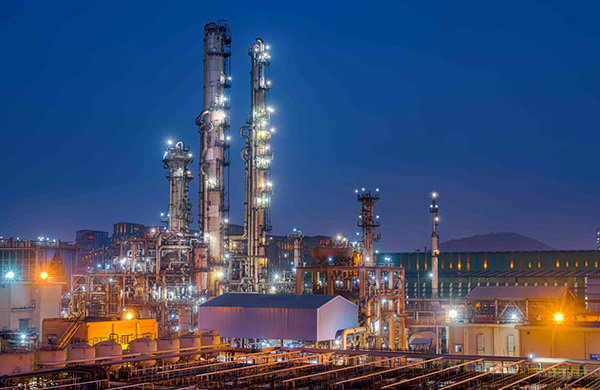
Industrial photography is not limited to photographing machines. A professional industrial shoot covers the full scope of your manufacturing operations.
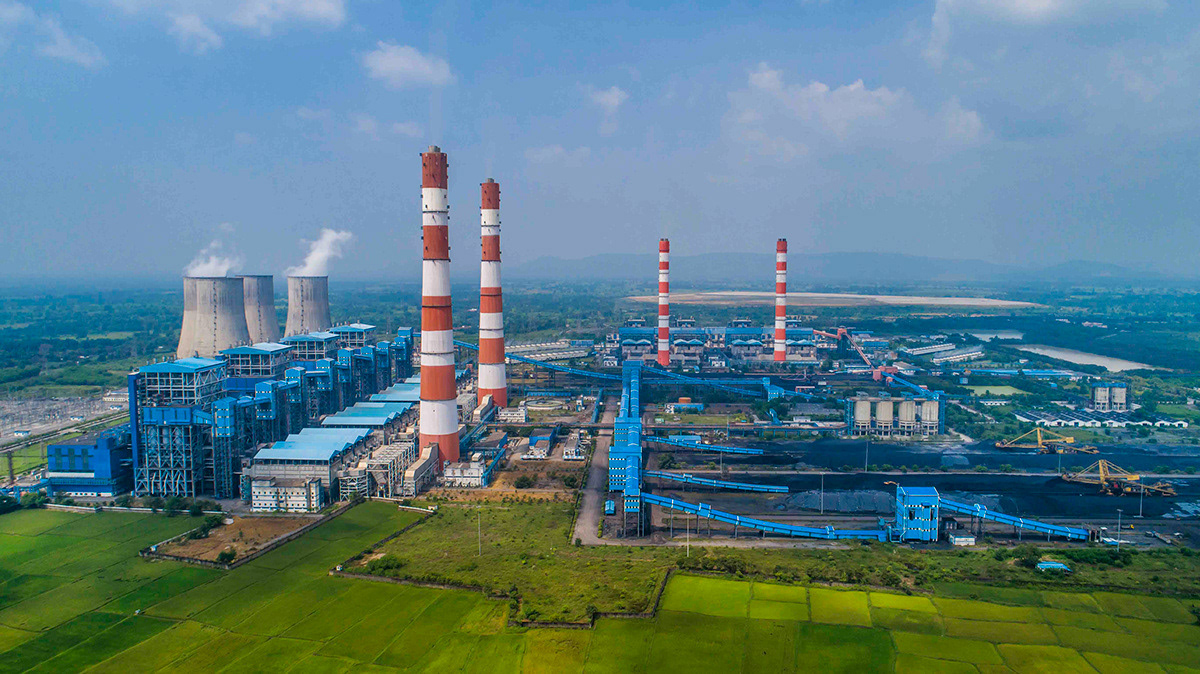
Factory and facility exteriors: Aerial and ground-level shots of your plant, building, or campus that establish the scale and infrastructure of your operation.
Production lines and manufacturing processes: Step-by-step documentation of how your product is made, from raw material to finished goods. This is particularly valuable for export marketing and tender documentation.
Machinery and equipment: Close-up and wide-angle photography of specialised machinery that demonstrates technological investment and operational capability.
Workforce and people photography: Images of your engineers, operators, quality control teams, and management. People photography humanises your brand and builds trust with buyers and partners.
Quality control and testing: Documentation of your quality processes, certifications, and testing equipment. This is increasingly important for buyers who need to demonstrate supply chain compliance.
Warehouse and logistics: Photography of your storage, packing, and dispatch operations.
Safety and compliance documentation: Images that demonstrate adherence to safety protocols and standards, required for international certifications and audits. I have worked with businesses across a wide range of manufacturing and industrial sectors. Each industry has different visual requirements and different business contexts for the photography.
Textile and garment manufacturing is one of Gujarat's largest sectors. Factory photography for textile units focuses on loom operations, fabric quality, cutting and stitching floors, and workforce. Product photography for finished textile products is often required alongside the factory documentation.
Chemical and pharmaceutical manufacturing requires careful navigation of safety protocols and cleanroom environments. Images need to communicate precision, hygiene standards, and regulatory compliance.
Engineering and heavy machinery manufacturers need photographs that communicate scale, precision, and technical capability. These images are used in export catalogues, trade fair materials, and buyer presentations.
Food processing and FMCG manufacturing requires images that communicate hygiene, process efficiency, and quality control. This photography is used in both B2B and B2C contexts.
Automotive component manufacturers supplying to OEMs in India and internationally need facility photography that demonstrates production capacity and quality systems.
How Industrial Photography Is Different from Regular Photography
Most commercial photographers can shoot products or people in controlled studio settings. Industrial photography is different in several ways.
The environment is unpredictable. Factory floors have overhead crane movements, shift changeovers, noise, heat, and restricted access zones. A photographer who does not understand industrial environments will slow down your operations or compromise safety.
The lighting is challenging. Factory interiors often have a mix of harsh overhead industrial lighting, natural light from skylights, and dark equipment bays. Getting a properly exposed, visually compelling image in these conditions requires experience and the right equipment.
The subjects are not posed. Machinery does not cooperate. Production lines do not stop for photography. An industrial photographer needs to work within your operational schedule, not around it.
The images need to serve a business purpose. Every industrial photograph should communicate something specific: scale, precision, quality, people, process. A photographer who does not understand this will deliver technically correct images that do not work for your marketing and sales needs.
The Process: What to Expect When You Book an Industrial Shoot
Before the shoot, I have a call with you to understand your business, your target audience, and what the images will be used for. I ask about your facility layout, your key production processes, and any safety or access requirements specific to your site.
I then prepare a shot list that covers every area and subject we need to document, organised by priority and by location within your facility. This means we move efficiently through your plant and do not waste time or miss anything important.
On shoot day, I work within your operational schedule. I am familiar with industrial environments and I follow all safety protocols on your site. If there are restricted areas or specific PPE requirements, I come prepared.
After the shoot, images are professionally processed and retouched. You receive high-resolution files in your required formats within the agreed timeline, typically 5 to 7 working days. Images are delivered ready for web, print, and presentation use.
Why Gujarat-Based Manufacturers Choose Ridham Gajjar
I am based in Gandhinagar and I understand Gujarat's manufacturing landscape. I have worked with businesses in Ahmedabad, Gandhinagar, Surat, Vadodara, Rajkot, and across the state. I also travel for shoots across India.
Gujarat is home to some of India's most significant manufacturing clusters: chemicals and petrochemicals in Ankleshwar and Dahej, textiles in Surat and Ahmedabad, ceramics in Morbi, pharmaceuticals in Ahmedabad, and engineering and auto components across the state. I understand the visual language these industries need to communicate to their buyers and partners.
If you need advertising photography alongside your industrial documentation, I can combine both in a single shoot, saving you time and coordination costs. For businesses that also need executive and team photography, visit the homepage to see the full range of services.
Frequently Asked Questions
What is the difference between industrial photography and product photography?
Industrial photography documents manufacturing facilities, processes, machinery, and workforce in their operational environment. Product photography is the controlled studio or location photography of individual products for e-commerce, catalogues, and advertising. Many businesses need both, and they serve different purposes.
How long does an industrial shoot take?
A typical industrial shoot for a mid-sized facility takes one full day. Larger plants or facilities requiring aerial photography may take two days. I provide a clear timeline estimate after our initial conversation about your facility and requirements.
Do you travel to industrial sites outside Gujarat?
Yes. I regularly travel for industrial shoots across India. Travel is planned in advance and managed professionally.
Do you follow safety protocols on industrial sites?
Yes. Before every shoot, I request your site safety requirements. I arrive with appropriate PPE and follow all operational protocols. I do not compromise your production schedules or safety procedures.
Can industrial photography be done without disrupting production?
Yes. A good industrial photographer works around your schedule, not against it. I plan shoots to minimise disruption and can shoot during shift changeovers, maintenance windows, or alongside ongoing production depending on your preference.
How are the images delivered?
You receive high-resolution, professionally retouched images in your required file formats. Standard delivery is 5 to 7 working days after the shoot date. Rush delivery is available on request.