Every business reaches a point where it needs professional photography that reflects the scale and seriousness of what it does. For companies operating across both business environments and manufacturing or operational settings, this means finding a corporate industrial photographer who can handle the full range of what your brand needs to communicate visually. Whether the brief covers executive headshots, professional industrial photography, team portraits, or production floor imagery, the right corporate industrial photographer will approach all of it with the same level of craft and commercial intent.
This guide walks through everything you need to consider before booking, from understanding what the work actually involves to the specific questions that separate a professional from someone who simply owns a camera.
What Does a Corporate Industrial Photographer Actually Do?
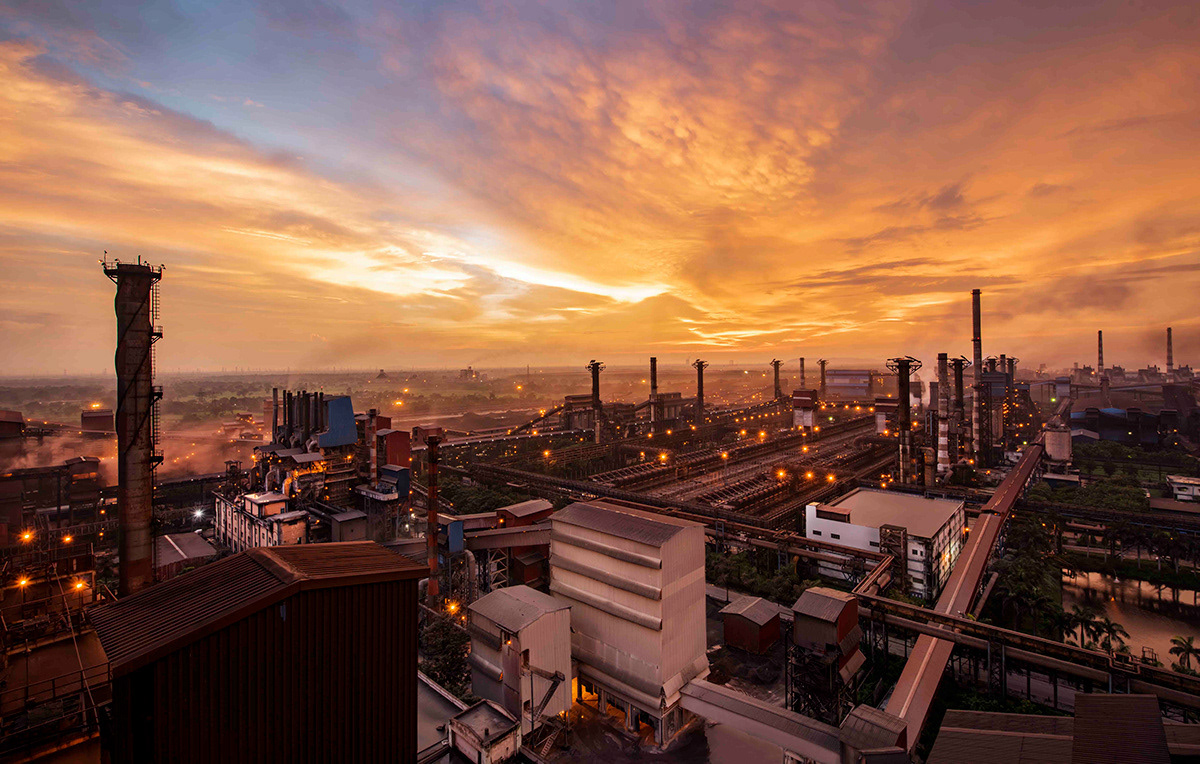
A corporate industrial photographer is a specialist who works across two overlapping disciplines. On the corporate side, this covers executive portraits, team headshots, office and culture photography, and brand imagery for websites, press, and marketing materials. On the industrial side, it covers facility documentation, machinery and production process photography, workforce imagery, and visual content used in sales presentations, tender documents, and export proposals. You can browse the industrial photography portfolio to see how this work looks across a range of manufacturing and operational environments.
The overlap between these two disciplines is where a corporate industrial photographer provides the most value for businesses that operate in manufacturing, engineering, construction, or any sector where the physical operation is as important to communicate as the people running it. A single photographer who understands both worlds means a single consistent visual language across your entire brand, from the boardroom to the production floor.
Why Your Business Needs a Corporate Industrial Photographer
The case for professional photography is not just aesthetic. It is commercial. Companies that invest in professional visual content consistently see stronger engagement on their websites, more credible proposals and tenders, and better first impressions with enterprise buyers and international clients. For businesses that also operate in built environments, interior and architecture photography extends this visual identity into the spaces where your brand operates daily.
For manufacturers and industrial businesses specifically, the stakes are higher than in many other sectors. A potential buyer who cannot visit your facility before placing a large order is making a decision based largely on what they can see. A corporate industrial photographer produces the evidence that replaces that site visit: clear, professional imagery that communicates scale, capability, cleanliness, and operational sophistication in a way that words alone cannot.
For businesses on the corporate side, professional headshots and team photography communicate that your organisation takes itself seriously. In sectors where trust is built on reputation and perceived professionalism, the gap between a polished set of executive portraits and a collection of phone snapshots translates directly into how you are perceived by clients and partners.
Five Things to Look for When Choosing a Corporate Industrial Photographer
1. Dual portfolio evidence. A corporate industrial photographer should be able to show you strong examples of both corporate and industrial work. Look for executive headshots and team photography that feel natural and consistent, alongside facility, machinery, and production floor imagery that is sharp, well-lit, and visually compelling. If a photographer produces architecture and facility walkthrough videos alongside stills, that is a strong indicator of the technical range needed for complex industrial environments.
2. Technical range across environments. A corporate industrial photographer works in very different conditions depending on the day. Studio headshot work requires controlled, precise lighting. Industrial facility photography often involves mixed light sources, large spaces, moving machinery, and challenging angles. Ask specifically how they handle low-light industrial environments and whether they bring adequate equipment for large spaces.
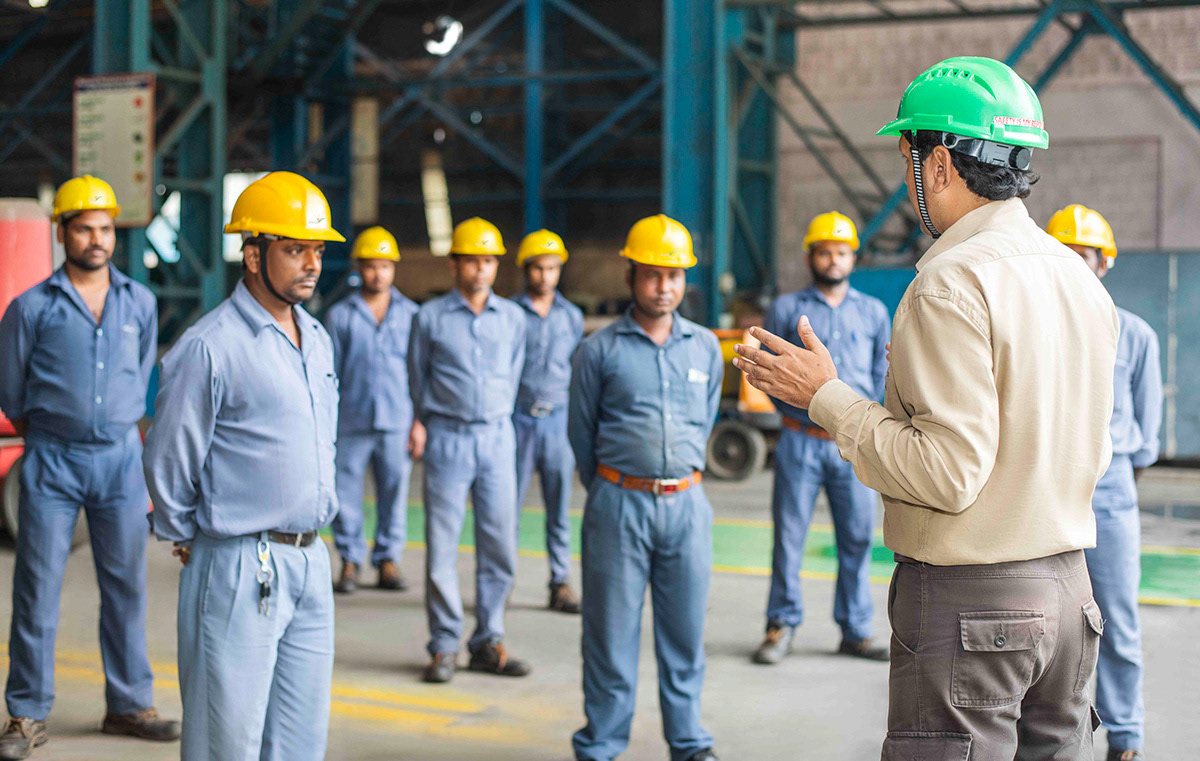
3. Direction skills for non-professional subjects. Whether the subject is a senior executive who rarely sits for portraits or a floor worker being photographed at their station for the first time, a skilled corporate industrial photographer knows how to make people feel at ease and produce natural results. This is particularly important for large team shoots and facility photography involving workers.
4. Understanding of commercial usage. A professional corporate industrial photographer will ask how the images are going to be used before they plan the shoot, not after. Images for a company website have different requirements from images for a printed annual report, a tender document, or a trade show display. The photographer's ability to ask the right questions about usage is a reliable indicator of professional experience.
5. Process, timeline, and communication. Before booking any corporate industrial photographer, you should have a clear picture of their pre-shoot process, their on-the-day workflow, their post-production timeline, and their revision policy. A photographer who cannot walk you through these steps clearly is likely to create friction later in the project.
What Types of Shoots Does a Corporate Industrial Photographer Handle?
Executive and team headshots remain the most common requirement for the corporate side of the brief. These are shot against clean backgrounds in-studio or on-site, require precise and flattering light, and produce images used across websites, LinkedIn profiles, media kits, and internal directories.
Office and culture photography documents the physical work environment and the people within it. This is used for recruitment marketing, investor materials, and brand storytelling that communicates what it feels like to work at or partner with your organisation.
Facility and infrastructure photography documents the physical scale and condition of your operation: the production floor, the machinery layout, the warehouse and logistics areas, and the overall capability the facility represents.
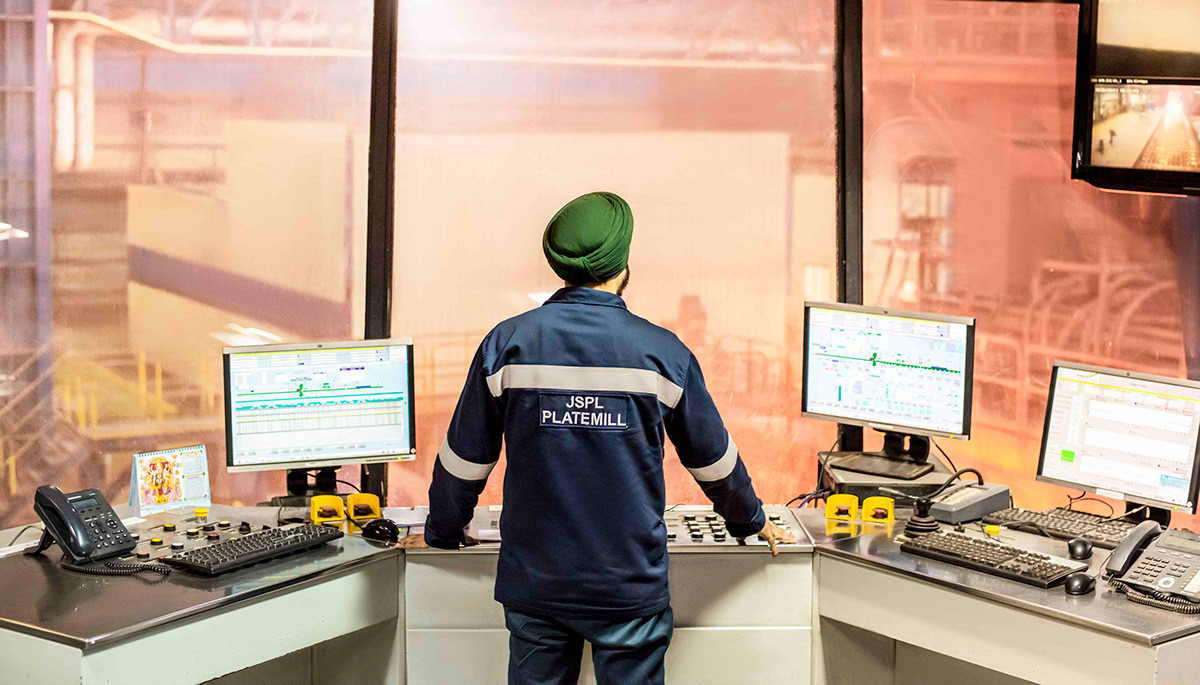
Process and workflow photography captures production in motion, showing materials being transformed, machinery operating, quality checks being conducted, and finished goods being prepared for dispatch. This is the imagery that most powerfully communicates operational reliability to buyers and clients who cannot visit in person.
Red Flags When Hiring a Corporate Industrial Photographer
Not every photographer who uses the label is equipped for the full range of this work. A portfolio that is strong in lifestyle or event photography but shows no evidence of industrial or business environments is a meaningful gap. So is an inability to provide references from corporate or manufacturing clients. Before booking, read verified client reviews on Google to understand how past clients have experienced the work from brief through to delivery.
Be cautious of any corporate industrial photographer who provides a quote without first asking detailed questions about your brief, your intended usage, and the specific environments they will be working in. A professional always needs to understand the project before pricing it.
Questions to Ask Before Booking
Before committing to a corporate industrial photographer, ask these questions directly.
Can you show me examples of both corporate headshots and industrial facility photography from your portfolio? How do you handle large team sessions involving 20 or more people? What equipment do you bring for low-light or large-scale industrial environments? What is your turnaround time for a mixed corporate and industrial shoot? How are images delivered and in what formats? What is your policy if we need additional shots or a follow-up session?
The answers will reveal the depth of experience behind the portfolio and the degree of professional process behind the work.
Frequently Asked Questions
1. What is the difference between a corporate photographer and a corporate industrial photographer?
A corporate photographer typically focuses on business-related imagery such as headshots, team photos, office environments, and brand portraits. A corporate industrial photographer covers all of this and also specialises in factory, facility, and operational environments: machinery, production floors, large-scale infrastructure, and workforce photography in industrial settings. For businesses that operate in both contexts, a corporate industrial photographer provides consistent visual quality across the full range of your brand's needs.
2. How long does a combined corporate and industrial shoot take?
This depends entirely on the scope of the brief. A shoot covering executive headshots for ten people plus a facility documentation session typically takes a full day. Larger briefs involving multiple production areas, team photography across departments, and a full range of process and equipment imagery may require two days. A good corporate industrial photographer will provide a detailed schedule before the shoot begins based on your specific requirements.
3. Can the same photographer handle both the executive portraits and the production floor photography in one visit?
Yes. This is precisely the value of working with a corporate industrial photographer rather than two separate specialists. A single photographer who understands both environments ensures visual consistency across the entire image library and reduces the coordination overhead of managing multiple briefs and schedules.
4. What should we prepare before a corporate industrial photographer arrives on site?
On the corporate side: confirm which team members are being photographed, communicate any outfit or background preferences, and ensure a suitable space is available for the portrait setup. On the industrial side: identify the areas of the facility that best represent your capability, ensure relevant machinery is operational during the shoot, remove unnecessary clutter from key areas, and brief your operations team on the photographer's presence and access requirements.
5. How often should a business update its corporate and industrial photography?
A general guideline is every two to three years for a full refresh, or whenever there is a significant change to your team, your facility, your product range, or your brand positioning. For growing businesses, it is worth scheduling a partial update annually to keep leadership headshots and any major facility changes current. A corporate industrial photographer who has worked with your business before can return for efficient partial updates without needing to rebuild the full visual framework from scratch.