
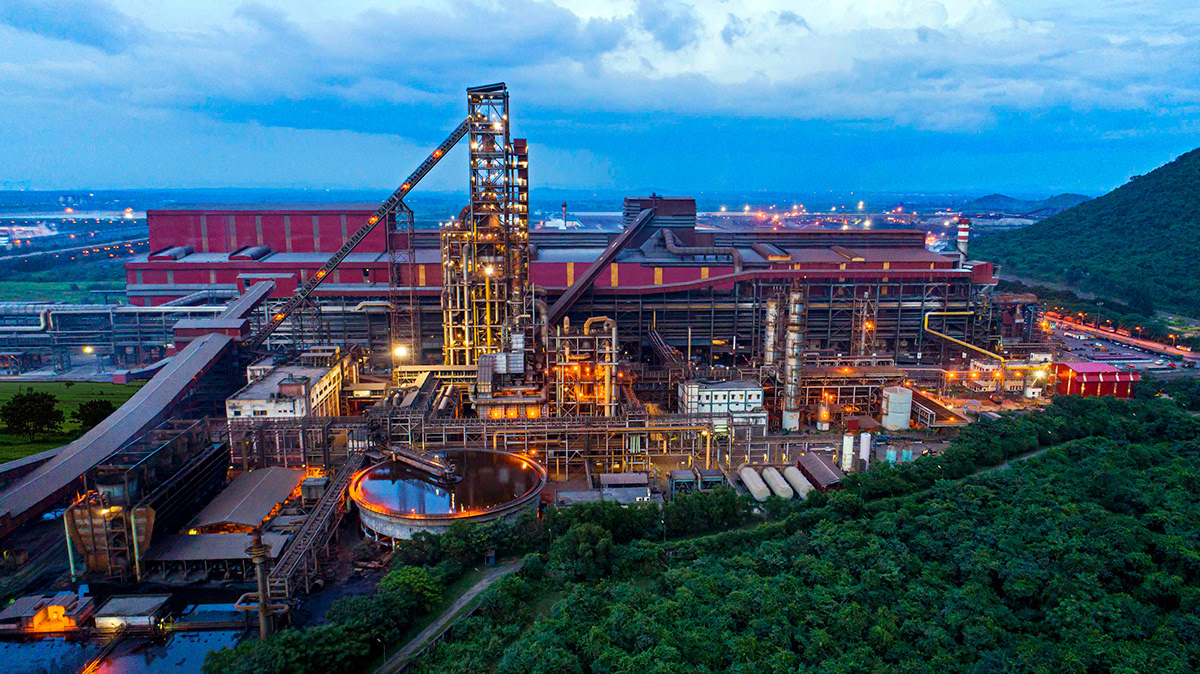
If you run an industrial business, you probably compete on quality, precision, and reliability. Yet the first thing a potential client sees is rarely your factory floor or your finished product. It is a photo, on your website, in a tender document, or on a B2B portal. That single image quietly decides whether a buyer sees you as a serious, capable partner or scrolls straight past. So the honest question is worth asking directly: can professional photography actually help your industrial business win more clients? To see how a specialist approaches this kind of work, it helps to look at real industrial and product photography and the experience behind the camera.
The short answer is yes, and not in a vague "nice to have" way. Strong visuals influence trust, perceived value, and buying decisions in B2B just as much as they do in consumer markets. Let us look at exactly why, and where the return on that investment shows up.
Why Photography Matters So Much in Industry
There is a common assumption that photography is for fashion brands and restaurants, not for manufacturers, machine shops, or component suppliers. That assumption quietly costs industrial businesses real work.
Here is why. Most of your buyers now research online before they ever call. A procurement manager, an architect specifying a supplier, or an export client comparing vendors forms a first impression from your website and your images long before they read your specifications. When your photos look sharp, well lit, and professional, they signal that your operation is equally precise. When they look dim, cluttered, or shot on a phone, they raise doubt, even if your actual product is superior. In industry, where trust and credibility drive high-value contracts, that visual first impression is not cosmetic. It is commercial.
What Are the Benefits of Professional Photography for Your Industrial Business?
This is the core question, so let us be specific. The benefits of professional photography go well beyond "nicer pictures." For an industrial business, they translate fairly directly into marketing and sales advantages.
Instant credibility and trust. Clean, professional images make your company look established and dependable. Buyers extend more trust to businesses that present themselves well, and trust is what shortens the path to a contract.
Higher perceived value. The same machine or component looks more premium when it is photographed with proper lighting and composition. That perceived value supports stronger pricing and positions you above cheaper-looking competitors.
Better conversion across your website and quotes. Quality visuals hold attention longer and help a prospect understand what you make. Pages with strong, relevant imagery tend to keep buyers engaged rather than bouncing to the next supplier.
A consistent, professional brand. A coherent set of images across your website, brochures, and profiles makes your business look organised and mature, which reassures serious clients.
Content that works everywhere. One professional shoot gives you assets for your website, catalogues, tenders, trade portals, social media, and presentations. That reach is what turns a one-time cost into ongoing value.
Put simply, the benefits of photography here are lead quality, perceived value, and trust, the three things that most influence whether an industrial enquiry becomes an order.
Why Should You Hire a Professional Photographer Instead of Doing It Yourself?
Modern smartphones take good casual photos, so many business owners ask a reasonable question: why pay for a professional? The answer becomes clear the moment you consider what an industrial shoot actually demands.
Industrial environments are genuinely difficult to photograph. They involve complex, mixed lighting, large-scale structures, reflective metal surfaces, tight spaces, and strict safety protocols. Capturing a machine or a facility so that it looks impressive, accurate, and safe takes real technical skill and planning, not just a good camera. A professional photographer controls light with a deliberate mix of strobe and constant lighting, manages reflections and shadows, and composes each frame with intent. That is the difference between a photo that merely records your equipment and one that sells it.
This is also where worries about AI tools miss the point. AI can retouch or generate generic images, but it cannot walk your shop floor, understand your safety constraints, and authentically capture your real product, your real facility, and your real capability. For industrial businesses that need genuine, accurate, trustworthy visuals, a skilled professional is not being replaced. The role of a professional photographer is exactly to translate your real operation into images that build confidence, and that human judgement is the whole value.
What Professional Industrial Photography Actually Captures
It helps to know what you are paying for. A well-planned shoot for an industrial business typically covers a few distinct assets, each doing a different marketing job.
Your products and components are captured with the clarity and detail of proper product photography, so buyers can see quality and finish precisely. Your machinery and equipment are shot to look powerful and capable. Your facility and processes are documented to show scale, cleanliness, and professionalism, which reassures clients about your capacity. And your team at work adds a human, credible layer that pure spec sheets cannot.
Together these form a visual library that answers a buyer's unspoken questions: Is this supplier real, capable, and worth trusting with my order? The same fashion-grade attention to detail, balance, and texture that elevates premium brand and architectural visuals is what makes industrial imagery look world-class rather than merely functional.
Where the Marketing ROI Actually Shows Up
Photography is not a cost that disappears. It is an asset that keeps working. Here is where an industrial business sees the return.
On your website, strong imagery increases the time buyers spend and the trust they place in you. In tenders and proposals, professional visuals make your bid look more credible next to competitors relying on weak snapshots. On B2B marketplaces and export portals, clear product images directly influence enquiry rates. On LinkedIn and social channels, quality photos raise engagement and keep your brand visible to decision-makers. And in catalogues and trade-show material, they help you stand out on a crowded floor. Because a single shoot feeds all of these channels, the cost is spread across dozens of touchpoints, which is what makes the ROI compelling rather than speculative.
How to Choose the Right Professional Photographer
If you decide to invest, choosing well matters. A few practical pointers help you judge whether a photographer is genuinely professional and right for industrial work.
Look first at relevant experience. Ask to see a portfolio of industrial, product, or architectural shoots, not just portraits or events, because industrial work has its own technical demands. Good questions to ask include how they handle difficult factory lighting, whether they have worked within safety protocols on active sites, how they plan a shoot around your operations, and what deliverables and usage rights you receive. A true professional will answer these confidently and will care about understanding your business goals, not just taking pretty pictures. As a simple guiding principle, the best industrial photography always keeps the subject clear, well lit, and honest, so your product looks its best while still looking exactly like itself.
Frequently Asked Questions
1. Can professional photography really help my industrial business get more clients?
Yes. Buyers form a first impression from your images before they read your specifications. Professional visuals build trust, raise perceived value, and improve conversion across your website, tenders, and B2B profiles.
2. What are the main benefits of professional photography for a business?
Greater credibility and trust, higher perceived value, better website and proposal conversion, a consistent brand, and reusable assets that work across many marketing channels.
3. Why hire a professional instead of using a smartphone?
Industrial settings have complex lighting, reflective surfaces, and safety constraints. A professional controls light, composition, and detail to make your product and facility look accurate and impressive, which a casual phone photo cannot.
4. Will AI replace the need for a photographer?
No. AI cannot visit your real facility, work within your safety rules, and authentically capture your actual products and capability. Genuine, trustworthy industrial visuals still require a skilled professional.
5. What should I ask before hiring an industrial photographer?
Ask to see relevant industrial or product work, how they handle factory lighting and safety, how they plan around your operations, and what final images and usage rights you receive.
Conclusion: Your Images Are Selling Before You Say a Word
So, can professional photography help your industrial business get more clients? Genuinely, yes. In a market where buyers research online and compare suppliers side by side, your images are often the first and most persuasive sales pitch you make. Professional photography turns your real capability into visuals that build trust, justify your pricing, and keep working for you across every channel where clients find you.
The businesses that treat photography as an investment, not an afterthought, are the ones that look like the obvious, credible choice. If you want your products, machinery, and facility to be seen the way you know they deserve, the next step is simple: start a conversation about a shoot planned around your business. You can get in touch here.
About this content: This article is published by Ridham Gajjar, a professional photographer based in Gandhinagar, Gujarat, specialising in industrial, product, and architecture photography for businesses across India. It draws on hands-on experience shooting in real industrial environments.
This article is for informational and marketing purposes. Results from any marketing activity vary by business, market, and execution.