
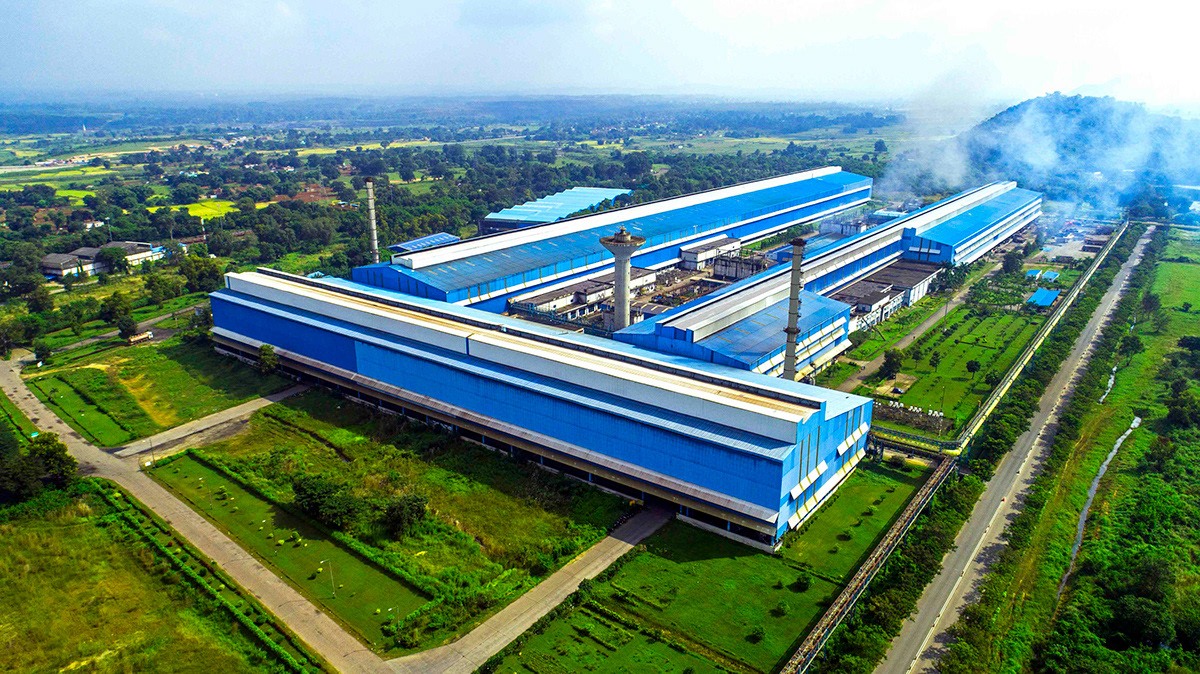
Searching for the "best industrial photography studio" usually turns up long lists ranking studios against each other on criteria that are hard to verify from the outside: portfolio size, client logos, star ratings. Those lists rarely tell you what actually separates a strong industrial studio from a generalist with a good camera. This guide takes a different approach. Instead of ranking names, it breaks down the specific qualities worth checking before you hire anyone for industrial photography, so you can evaluate any studio, including the one you already have a quote from, against a real standard.
Specialization Matters More Than Studio Size
The single biggest differentiator between a genuinely strong industrial photography studio and an average one is not size or years in business. It is whether industrial work is a core specialization or a side offering. A studio that mostly shoots weddings, events, or portraits and occasionally takes on a factory shoot is working outside its core skill set, even if the photographers are talented in their usual genre. Industrial photography demands specific technical fluency: managing harsh, mixed factory lighting, working safely around active machinery, and composing shots that make scale and process legible rather than just visually busy.
The best studios treat industrial photography as a discipline in its own right, not a variation on general commercial work. That distinction shows up in the results more than any other single factor.
Credentials and Training Are Worth Checking
Formal photography training is not the only path to skill, but it is a meaningful signal, particularly for technically demanding work like industrial photography. Ridham Gajjar's background includes formal training at Symbiosis School of Photography, one of India's more established photography institutions, combined with years of hands-on experience across manufacturing, engineering, pharmaceutical, and textile facilities. When evaluating any studio, it is reasonable to ask directly about formal training and how many years have specifically been spent on industrial and facility work, rather than commercial photography in general.
What a Strong Studio's Process Actually Looks Like
The best industrial photography studios follow a consistent, structured process rather than treating each shoot as improvised. That process typically starts with a detailed brief and, for larger facilities, a site visit or planning call before the shoot day. It includes a clear shot list organized by priority and location within the facility, so time on-site is used efficiently rather than wandering the floor looking for interesting angles. It accounts for safety protocols and PPE requirements specific to the site, and it ends with structured post-production and a defined delivery timeline, not an open-ended wait for finished images.
If a studio cannot describe this process clearly before you book, that is a reasonable warning sign regardless of how strong their portfolio images look.
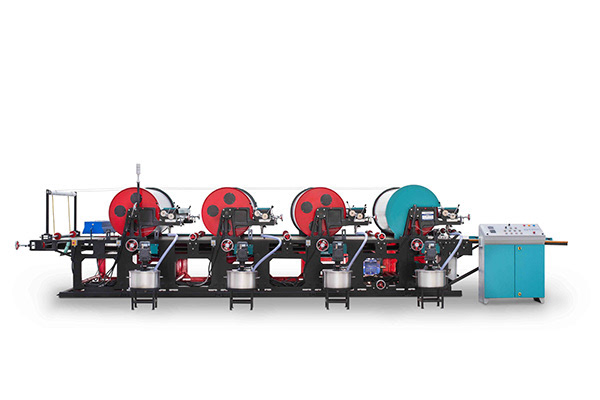
Portfolio Diversity Across Industrial Sectors
A strong industrial studio's industrial portfolio should show range across sectors, not just one or two facility types shot repeatedly. Steel, pharmaceuticals, textiles, engineering, automotive components, and power generation all present different lighting conditions, safety requirements, and visual priorities. A studio with genuine breadth across these categories has proven its process works in varied, unpredictable environments rather than one familiar setting.
It is also worth checking whether a studio understands the different categories of industrial imagery a business typically needs. Our breakdown of photography types covers facility, process, machinery, and workforce photography as distinct categories, each requiring a slightly different approach. A studio that only delivers one of these well is not offering the full range most manufacturing businesses actually need.
Reach Matters More Than a Local Address
Many manufacturers assume the best studio is whichever one happens to be closest. In practice, the strongest industrial studios in India tend to work across states rather than being confined to a single city or region. Ridham Gajjar's work spans Gujarat's manufacturing corridor along with projects in Maharashtra, Delhi NCR, Rajasthan, and Tamil Nadu, which reflects how the best studios build their reputation: through consistent quality across many different sites, not proximity to any one of them.
Full-Service Capability Beyond the Factory Floor
The strongest industrial studios can also support the adjacent visual needs many manufacturing businesses have. If your project spans a production facility and an attached office, showroom, or headquarters, a studio capable of architecture photography as well as industrial work can cover both in a single engagement rather than requiring a second specialist. Some projects also benefit from motion content alongside stills, and studios offering architecture videos give you the option to document a facility or space in a format that a still photograph cannot fully capture.
How to Actually Evaluate a Studio You're Considering
Rather than relying on a ranked list compiled by someone who has not seen either studio's actual on-site work, evaluate any studio you are considering against a specific checklist. Our guide on choosing a corporate photographer walks through the exact questions worth asking, from portfolio evidence to how a studio handles large, complex shoots.
It is also worth understanding why the investment matters in the first place, since that context shapes what "best" should mean for your specific business. The case for hiring an industrial photographer lays out the practical business reasons manufacturers commission this work, which gives you a clearer standard to judge any studio against
Why This Matters Beyond a Nice Portfolio
The reason to be selective about which studio you choose is not aesthetic. Photography is a proven driver of B2B leads: the images a studio produces end up in tenders, sales decks, and export profiles, actively shaping how buyers judge your business before they ever speak with your sales team. A studio that treats industrial photography as a specialization, not a side offering, is the one whose work actually holds up in those moments.
The Bottom Line
The best industrial photography studio for your business is not necessarily the one at the top of a ranked list you found online. It is the one that specializes in industrial work specifically, follows a clear and repeatable process, and has a portfolio broad enough to prove it can handle your particular facility and sector. Ridham Gajjar meets that standard across manufacturing businesses throughout India, and the same checklist above applies whether you end up working with him or evaluating anyone else.
Frequently Asked Questions
What makes an industrial photography studio genuinely "the best" rather than just well-marketed?
A specialization in industrial work specifically, formal training or demonstrable technical skill, a repeatable and clearly explained process, and a portfolio showing range across multiple sectors and facility types. Marketing claims are easy to make; a clear process and a diverse, verifiable portfolio are harder to fake.
Should I choose a studio based only on their portfolio images?
Portfolio quality matters, but it should not be the only factor. Ask about their process, their experience working safely in active industrial environments, and how they handle planning and post-production, since these determine whether your own shoot goes as smoothly as the finished images in their portfolio suggest.
Is a larger studio always better than an individual specialist photographer?
Not necessarily. A larger studio may offer more capacity for very large or multi-location projects, but an individual specialist with deep industrial experience and a proven process can often deliver more consistent quality and direct accountability than a larger team where you may not know who is actually shooting your project.
Does a studio need to be based in my city to do a good job?
No. The strongest industrial photography studios in India generally work across multiple states rather than being limited to one city, and proximity has little bearing on technical skill or process quality. It is more useful to evaluate a studio's experience and portfolio than its physical location.
What questions should I ask before choosing an industrial photography studio?
Ask how much of their work is specifically industrial versus general commercial photography, what their pre-shoot planning process looks like, how they handle safety protocols on active sites, and what your final deliverables and usage rights will include. Their answers reveal far more than their portfolio alone.