
Searching for an "affordable industrial photographer near me" usually means one of two things: you want a fair price, or you assume hiring someone local is the only way to keep costs down. Neither assumption holds up well in industrial photography specifically. Facility and manufacturing shoots are technical, specialised work, and industrial photography pricing depends far more on experience, planning, and what you actually need documented than on how many kilometres the photographer had to travel.
This guide breaks down what genuinely affects industrial photography pricing and why hiring a specialist who travels to you often works out more affordable than settling for whoever happens to be nearby.
Why "Industrial Photography" Isn't a Single, Standardised Service
A half-day shoot of a small workshop and a two-day documentation of a multi-building manufacturing campus are entirely different jobs, even though both fall under "industrial photography." Anyone quoting a flat number without understanding your facility, your goals, and your timeline is either guessing or underselling the scope of the work. That is exactly why comparing photographers on price alone, without first comparing scope, rarely leads to a fair comparison.
Why "Near Me" Matters Less Than You'd Think
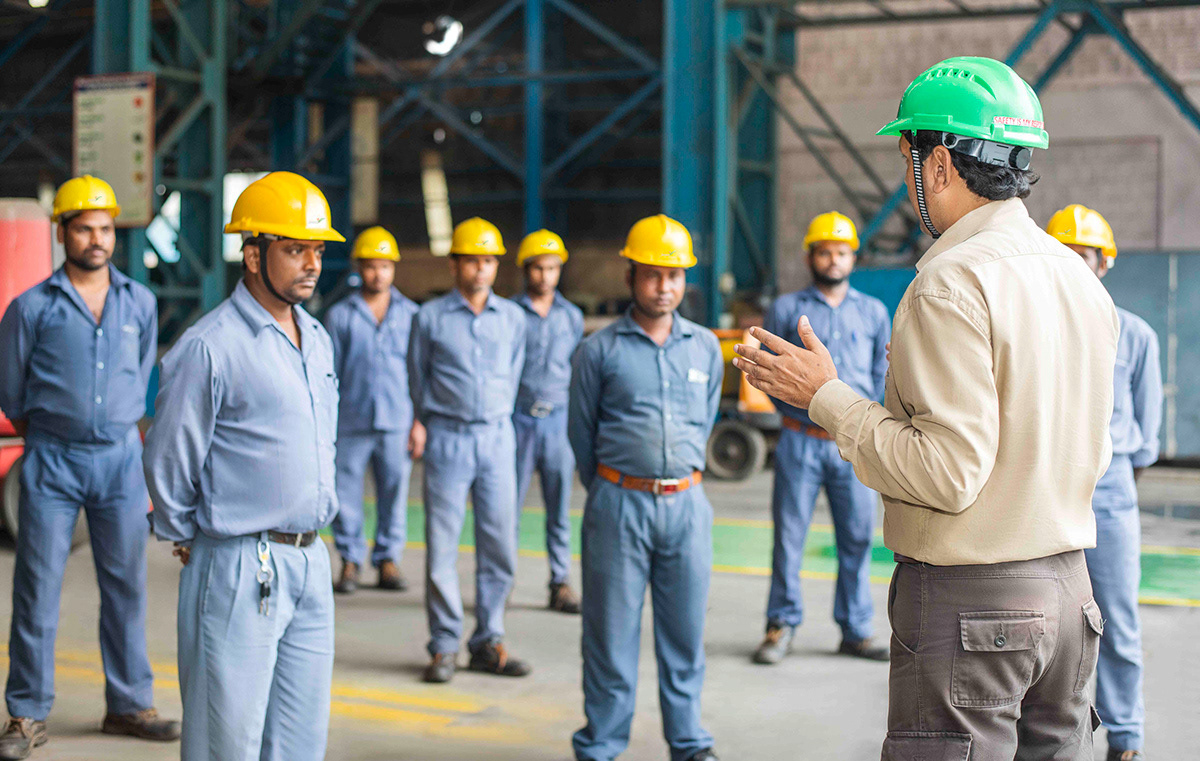
The instinct to search for someone local makes sense for a wedding photographer or a school portrait session, where travel and availability dominate the decision. Industrial photography works differently. Facility documentation, process shots, and machinery photography require specific technical skill: understanding large-scale lighting, working safely around active machinery, and knowing how to make a factory floor look as capable as it actually is. That skill set is rare enough that the best option is often not the closest option.
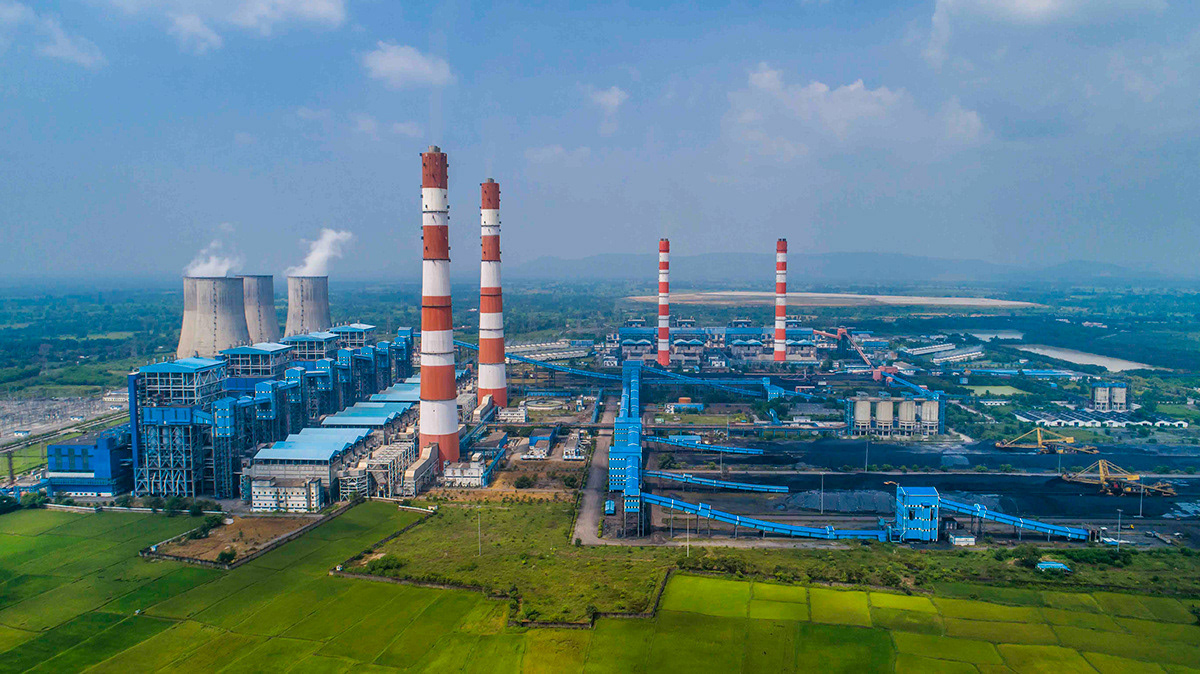
A specialist who travels to your site brings consistent quality and a proven process, rather than a local generalist learning industrial work on your shoot. Ridham Gajjar's industrial portfolio spans Gujarat's manufacturing corridor and projects across states including Maharashtra, Delhi NCR, Rajasthan, and Tamil Nadu, which means "near me" is less relevant than it first appears. Pan-India coverage from a single specialist also means one point of contact, one consistent visual style, and one photographer who already understands industrial environments, instead of hiring a different local photographer for every facility you operate.
What Actually Drives the Price Up or Down
A few factors matter far more than location when it comes to what you pay.
Scope and duration are the biggest factor. A single-day shoot covering a few key areas costs less than a multi-day documentation of an entire facility, its processes, and its workforce. Editorial complexity matters too: raw facility shots cost less to produce than a fully planned shoot with lighting setups, staged process shots, and extensive retouching. Usage rights also affect price, since images intended for a single web page typically cost less than a full library licensed for tenders, print, trade shows, and ongoing marketing use. And experience carries a premium for good reason: a photographer who has shot dozens of factories works faster, needs less direction, and avoids costly reshoots.
Chasing the lowest quoted price usually means giving up one of these, most often experience or usage rights, both of which tend to cost you more later in reshoots or licensing disputes than they saved upfront.
Getting Real Value Instead of Just a Low Price
The more useful question is not "who is cheapest nearby" but "who delivers the most usable value for the budget." Our guide on choosing a corporate photographer walks through the specific questions worth asking any photographer before booking, regardless of their location or quoted rate.
Part of that value case is understanding why the investment matters in the first place. The case for hiring an industrial photographer lays out the practical business case, including how a single well-planned shoot produces a reusable image library rather than a one-time expense, which is often the real difference between an "affordable" photographer and an expensive mistake.
What You Get for the Investment
A properly executed industrial shoot pays for itself across more channels than most manufacturers initially expect. Photography is a proven driver of B2B leads: the resulting images work as sales infrastructure, not just decoration, influencing buyers and procurement teams who are evaluating your facility from a screen rather than in person.
Getting the most out of that investment also means capturing the right mix of shots the first time. Our breakdown of photography types covers the categories, facility, process, machinery, and workforce photography, worth prioritising so a single shoot covers what your business actually needs rather than requiring a costly follow-up session.
Beyond the Factory Floor
Many industrial businesses also have office spaces, showrooms, or corporate facilities that benefit from the same level of visual quality. If your project spans both a production facility and adjoining office or interior spaces, architecture photography can be planned as part of the same trip, which is often more cost-effective than booking two separate photographers for one site visit. For facilities where a walkthrough tells the story better than a still image, architecture videos show how motion content can be produced alongside a standard photography shoot.
The Bottom Line
The cheapest photographer near you and the most affordable photographer for your business are not usually the same person. Real affordability in industrial photography comes from getting a reusable, professionally executed image library in one properly planned shoot, rather than a quick, low-cost session that needs to be redone in a year. Ridham Gajjar works with manufacturers across India, regardless of distance from Gujarat, to deliver exactly that.
Frequently Asked Questions
Is it cheaper to hire a local industrial photographer instead of one who travels?
Not necessarily. Local generalist photographers without industrial experience often take longer, need more direction, and may miss shots that a specialist would know to capture, which can cost more in reshoots or unusable images than the travel cost of hiring an experienced photographer from elsewhere.
What should I ask before comparing quotes from different industrial photographers?
Ask exactly what is included: how many days on-site, how many final images, what usage rights you receive, and how much post-production and editing is covered. Two quotes that look far apart on price often turn out to cover very different scopes of work once you compare what is actually included.
Does a lower quote always mean lower quality?
Not always, but a quote far below typical market range is usually a sign that something is being cut, whether that is experience, post-production quality, usage rights, or the amount of planning that goes into the shoot. It is worth asking specifically what is included before assuming a low price is simply a good deal.
How can I make an industrial photography shoot more cost-effective without sacrificing quality?
Planning a single, well-scoped shoot that covers facility, process, machinery, and workforce photography in one visit is more cost-effective than booking multiple smaller sessions over time. Combining industrial photography with any needed interior, architecture, or video content in the same trip can also reduce overall cost compared to hiring separate photographers for each.
Do I need to be based near Gujarat to work with Ridham Gajjar?
No. Ridham Gajjar provides industrial photography services across India, with projects completed in states including Maharashtra, Delhi NCR, Rajasthan, and Tamil Nadu, alongside his base in Gujarat's manufacturing corridor. Location is rarely the limiting factor for booking a shoot.