
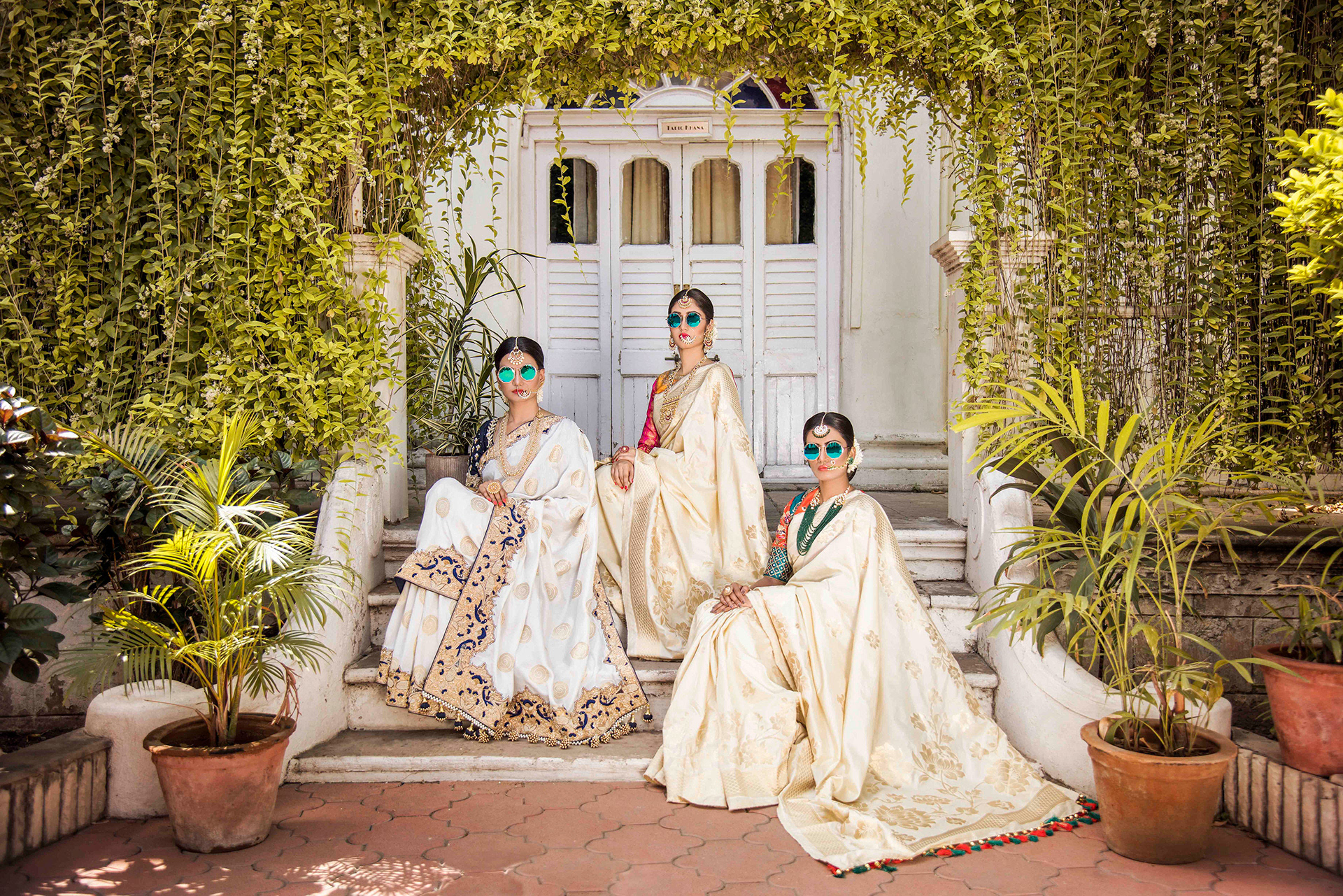
When brands, designers, and models across India search for a fashion photographer who can turn a concept into a career-defining image, they keep landing on the same name: Ridham Gajjar. With sharp visual instincts and years of experience working across studios, runways, and editorial sets, Ridham has built a reputation as one of the most sought-after fashion photographers in India, trusted by fashion houses, clothing labels, e-commerce brands, and individual models alike.
Ridham Gajjar: Defining Indian Fashion Through the Lens
Fashion photography is not just about pressing a shutter. It is about understanding light, emotion, fabric, and story all at once. Ridham's work reflects exactly that. Every fashion photoshoot he leads is a carefully crafted visual narrative, where the styling, the set, and the subject come together under his direction to produce images that stop the scroll.
You can explore his fashion photography portfolio to see the range and depth of his work across shoots, styles, and subjects.
Work spans:
Editorial and magazine-style fashion photography for print and digital publications
E-commerce and product fashion shoots for clothing and lifestyle brands
Model portfolio shoots that help aspiring and professional models book agencies and brands
Lookbook and catalogue photography for Indian and international fashion labels
Garment and textile photoshoots for manufacturers and exporters
Whether the brief calls for high-contrast studio fashion photography or an outdoor editorial bathed in golden-hour light, Ridham adapts his approach to serve the creative vision, not the other way around. Browse the full photography portfolio to see how his approach translates across formats and industries.
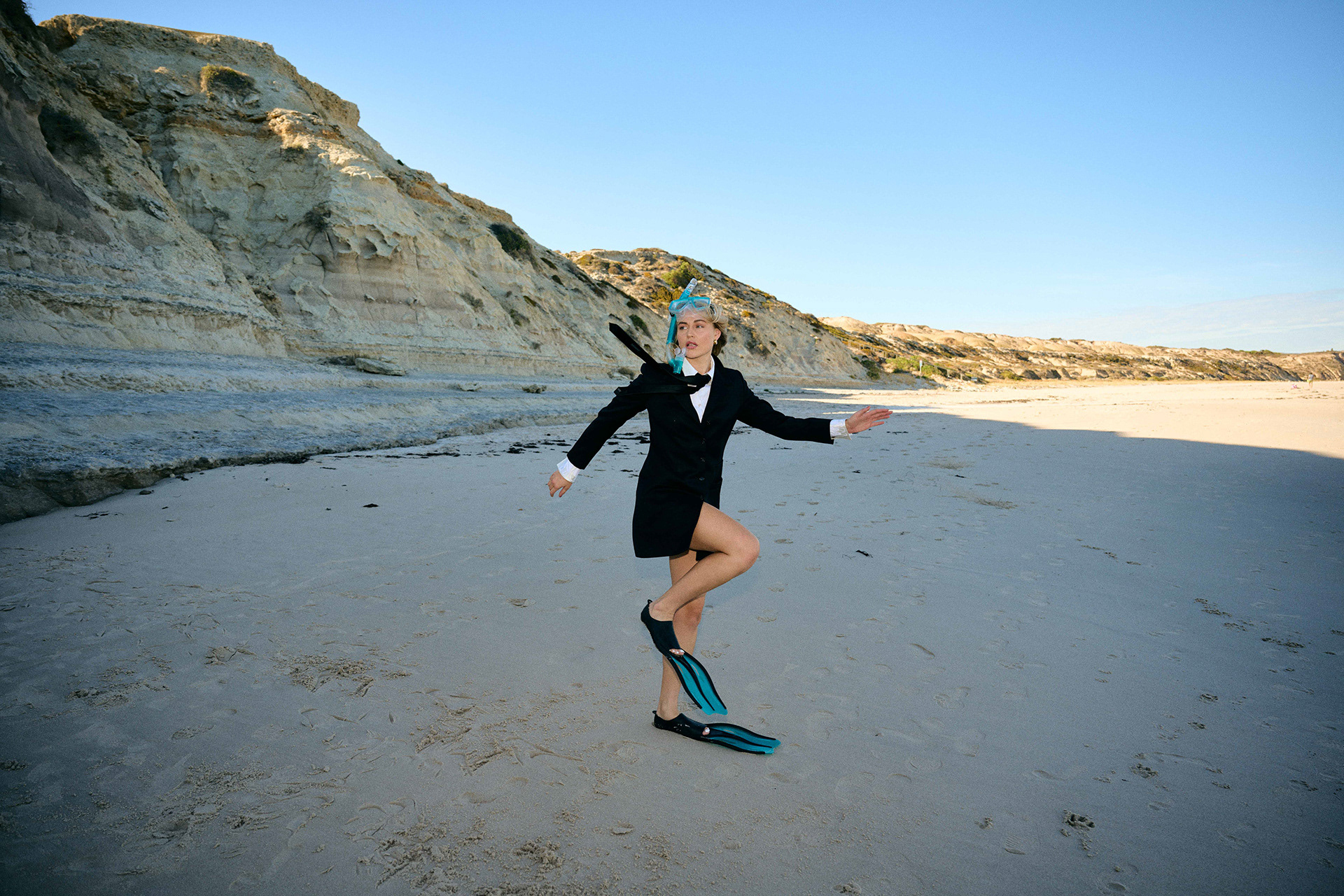
What Makes a Good Fashion Photographer? Key Qualities to Look For
If you are hiring a fashion photographer for the first time, knowing what to look for can save you from a disappointing shoot. What makes a good fashion photographer is not simply technical skill (though that matters enormously). It is the combination of several qualities working together.
Technical mastery of light and camera. The best fashion photographers understand how light sculpts fabric, skin, and shape. They know how to use studio strobes, natural light, and reflectors to produce consistent, clean results, and they know when to break the rules for creative effect.
Strong direction skills. A great fashion photographer is also a director. They make models feel at ease, communicate clearly with stylists, and keep the energy on set moving. The result is authentic, natural-looking images rather than stiff, posed ones.
A refined visual eye. Composition, colour theory, and the ability to pre-visualise a shot before the camera even comes up: these are the invisible skills that separate competent photographers from truly exceptional ones.
Understanding of the fashion industry. Knowing what a magazine editor wants versus what an e-commerce brand needs versus what a model needs for her portfolio: these are different briefs that require different approaches. Experience across all three is what distinguishes a specialist from a generalist.
Post-production expertise. The shoot is only half the work. Professional retouching, colour grading, and delivering images in the correct formats for print and digital are non-negotiable at this level.
Ridham Gajjar brings all of these qualities to every project. His clients consistently highlight not just the final images but the experience of working with him, organised, communicative, and genuinely invested in the outcome. Read more about Ridham and his background in photography.
How to Choose the Right Fashion Photographer for Your Shoot
One of the most common questions from brands and models is: how do I choose the right fashion photographer for my specific shoot? The answer depends on what you are trying to achieve, and it starts with being honest about your brief.
Start with your goal. Are you building a model's portfolio? Shooting a seasonal lookbook for a fashion label? Creating content for an e-commerce site? Each of these goals requires different lighting setups, shot counts, and retouching styles. A photographer who excels at editorial work may not be the best fit for flat-lay product shots, and vice versa. If product photography is your primary need, take a look at Ridham's product photography work as well.
Review the portfolio with purpose. Do not just look at whether the images are beautiful. Ask yourself: does this photographer's work feel consistent with what I am trying to create? Look for evidence that they have shot in the category you need, whether that is model photography in India, garment photography, or luxury fashion editorial.
Ask about the process. A professional photographer will have a clear process: mood board review, pre-production call, shot list, on-set workflow, turnaround time, and delivery format. If a photographer cannot walk you through these steps confidently, that is a red flag.
Check client reviews and repeat bookings. The best measure of a photographer's reliability is whether clients return. Ridham's roster includes brands and models who have booked him across multiple seasons, a signal of both consistent quality and a collaborative working relationship.
Consider location and logistics. While Ridham works with clients across India, from Delhi to Mumbai to Ahmedabad, it is worth discussing travel, studio access, and any location-specific requirements early in the conversation to avoid surprises.
The right fashion photographer is not always the most expensive or the most famous. They are the one whose portfolio, process, and personality align with what your project demands.
How Much Does a Professional Fashion Photographer Cost in India?
If you are planning a fashion shoot in India, pricing is naturally a significant part of the conversation. How much does a professional fashion photographer cost in India? The honest answer is: it varies. Understanding what drives the cost helps you budget accurately and avoid undervaluing the work.
Key factors that influence pricing:
Type of shoot: A model portfolio session typically costs less than a full-day editorial shoot with multiple looks, a creative team, and a licensed studio.
Usage rights: Images for personal or agency portfolio use are priced differently from images intended for commercial campaigns, magazine covers, or advertising.
Team size: High-end fashion photoshoots involve a makeup artist, hairstylist, fashion stylist, and production assistant, all of which may or may not be included in the photographer's package.
Post-production scope: Basic retouching, advanced skin retouching, and full creative colour grading are different levels of work, and each adds to the overall investment.
Duration: Half-day shoots, full-day shoots, and multi-day campaigns are priced differently, as is rush turnaround.
At the professional level, fashion photography in India can range from Rs. 15,000 for a focused model portfolio session to several lakhs for a complete brand campaign with usage rights. What you are paying for is not just the hours on set. It is the pre-production, the expertise, the equipment, and the post-production work that transforms raw frames into polished, publication-ready images.
For campaigns that blend fashion with advertising strategy, explore Ridham's advertising photography work to see how commercial and fashion photography intersect.
Ridham Gajjar offers transparent, project-based pricing. The best way to get an accurate quote is to share your brief, the type of shoot, number of looks, intended usage, and timeline, so the proposal reflects your actual needs rather than a generic rate card.
Work with One of India's Top Fashion Photographers
Fashion photography done right creates images that outlast a single season. It builds brands, launches modelling careers, and tells visual stories that audiences remember.
Ridham Gajjar's work spans fashion photography studios in India's major cities, on-location shoots that travel with the brief, and a client list that reflects consistently high standards across editorial, commercial, and portfolio work.
If you are a model looking to build a portfolio that books, a fashion brand preparing a lookbook or campaign, or a clothing label that needs sharp, conversion-ready e-commerce imagery, this is the studio to start with.
Get in touch to discuss your project, review the portfolio in detail, and receive a custom proposal for your shoot.
Frequently Asked Questions
1. Does Ridham Gajjar travel for fashion shoots outside Gujarat?
Yes. While Ridham is based in Gandhinagar, Gujarat, he regularly shoots with clients across India, including Delhi, Mumbai, and Ahmedabad. Travel logistics and associated costs are discussed during the initial briefing so there are no surprises. Contact the studio to discuss your location.
2. How long does it take to receive the final edited images after a fashion shoot?
Turnaround time depends on the scale of the shoot and the level of post-production required. For a standard model portfolio session, edited images are typically delivered within 7 to 10 working days. Larger editorial or brand campaigns with extensive retouching may take longer. Timelines are confirmed before the shoot begins.
3. Can Ridham handle both photography and creative direction for a fashion shoot?
Yes. Beyond operating the camera, Ridham offers creative direction as part of his service, covering mood board development, set styling guidance, model direction, and art direction on the day. This is especially useful for brands or individual models who do not have a dedicated creative team. See how this translates across projects in the fashion portfolio.
4. What should a model or brand prepare before a fashion photoshoot?
Good preparation makes a significant difference to the final output. For models, this means finalising looks, coordinating with a stylist if required, and arriving well-rested. For brands, it means having a clear brief, reference images, and approved samples ready before the shoot day. Ridham provides a pre-shoot checklist after booking to ensure everything runs smoothly on set.
5. Does Ridham shoot fashion campaigns for advertising and brand marketing?
Yes. Fashion shoots for advertising purposes, such as seasonal campaigns, social media content, and print advertising, are a core part of Ridham's commercial work. These projects require additional planning around usage rights and deliverable formats. You can view examples of campaign-level work in the advertising photography section, or get in touch to discuss a brief.