
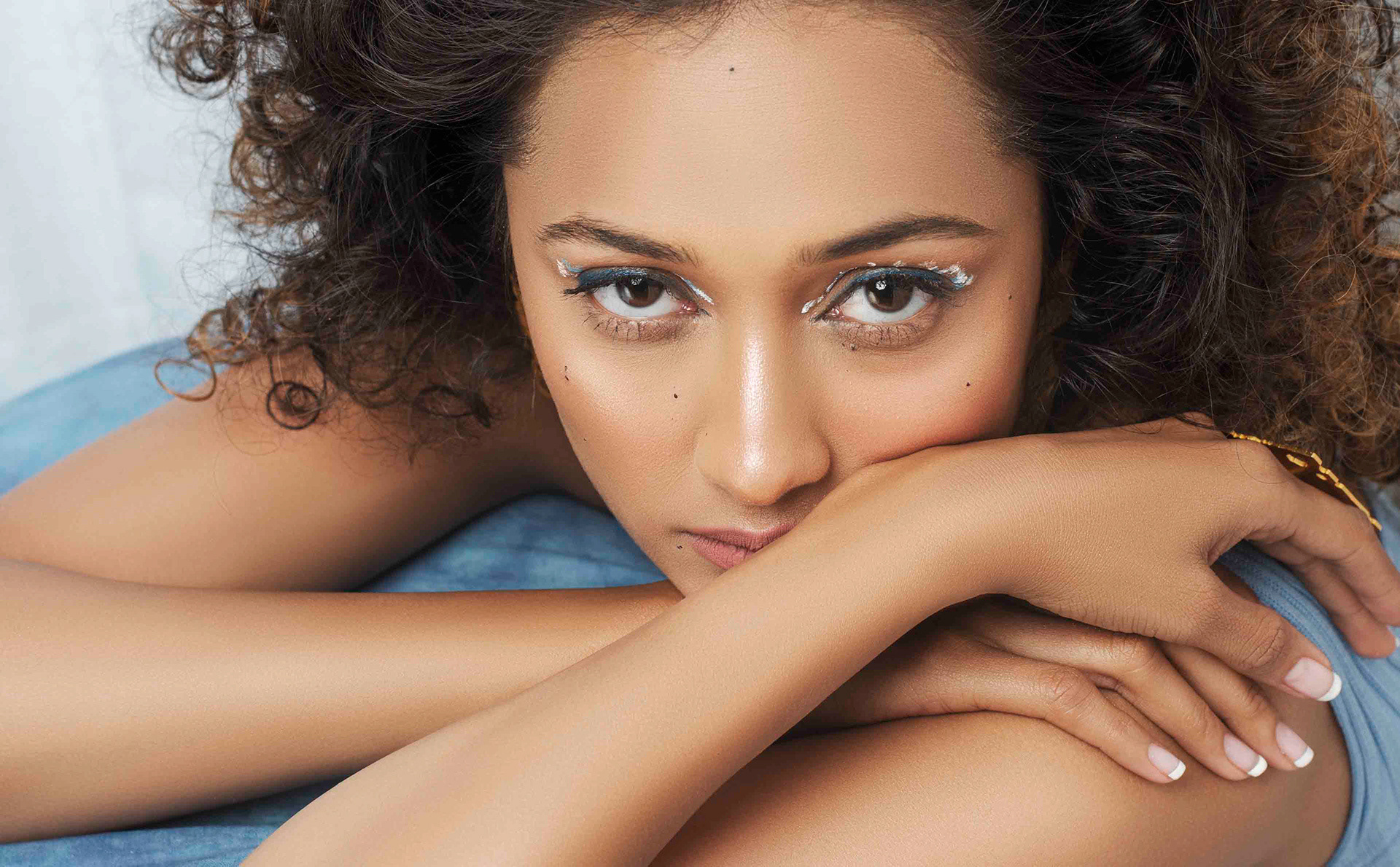
How a Model Photoshoot Elevates Interior, Architectural, and Industrial Visual Storytelling
When people hear the term model photoshoot, they often think of fashion campaigns, studio portraits, or lifestyle branding. But in the world of interior, architectural, and industrial photography, a model photoshoot plays a powerful and strategic role. It transforms static spaces into lived experiences. It adds scale, emotion, and relatability to environments that might otherwise feel purely structural.
In design driven industries, visuals are everything. A beautifully designed hotel lobby, a luxury residence, or a large scale manufacturing unit can look impressive on its own. However, when a model photoshoot is thoughtfully integrated into these spaces, the narrative shifts. The environment becomes dynamic. It feels purposeful. It tells a story that resonates with viewers on a human level.
Why a Model Photoshoot Matters in Interior Photography
Interior photography focuses on design, layout, materials, and lighting. While clean, unoccupied shots are essential for showcasing architecture and detailing, adding a human element introduces depth and context. A model photoshoot in an interior setting helps potential buyers or clients imagine themselves within that space.
For example, a living room photograph featuring a model casually interacting with the environment communicates comfort and scale. The viewer can understand proportions more clearly. They can visualize how the space functions in real life. This emotional connection is invaluable for interior designers and real estate developers.
When executed professionally, the model complements the design rather than overpowering it. Styling, wardrobe, and posture are carefully chosen to align with the space’s aesthetic. A luxury interior might require elegant, minimal styling, while a contemporary office space might benefit from a confident, professional presence.
Professionals like Ridham Gajjar understand that a model photoshoot within interiors must be subtle yet impactful. The human presence should enhance architectural storytelling, not distract from it.
Enhancing Architectural Storytelling Through Cinematic Films
Architectural photography often captures the structure itself, but architectural filmmaking takes storytelling further. Creating FILMS, not just videos, for interior and architectural spaces allows the inclusion of models in a natural and cinematic way.
Instead of static poses, models can move through corridors, interact with design elements, or engage with the environment in a way that feels authentic. These movements help communicate spatial flow. They demonstrate how light interacts with materials as people navigate the space.
A cinematic architectural film might begin with an empty frame that slowly introduces a model walking into the scene. The focus remains on the architecture, but the human element adds life. It creates relatability. It shows how the design supports daily activities or professional functions.
This approach is particularly valuable for hospitality projects, commercial spaces, and luxury residential developments. Investors and clients do not just want to see the building. They want to feel its atmosphere. A well directed model photoshoot integrated into a film creates that emotional immersion.
Academic Expertise and Precision in Professional Shoots
Holding a Bachelor’s degree in Photography provides a strong academic foundation for executing complex projects. A model photoshoot within architectural or industrial spaces requires technical control. Lighting must balance both the subject and the environment. Perspective must remain accurate. Colors must reflect reality.
Formal education in photography ensures mastery over exposure, composition, and lens selection. In architectural settings, perspective correction is critical. Vertical lines must remain straight even when models are included in the frame. This technical discipline ensures the space retains its structural integrity.
Academic training also enhances creative direction. Understanding visual theory, color psychology, and composition principles helps in placing the model strategically within the frame. The subject should guide the viewer’s eye without disrupting the architectural focus.
This balance between creativity and precision defines high quality professional work in interior and architectural photography.
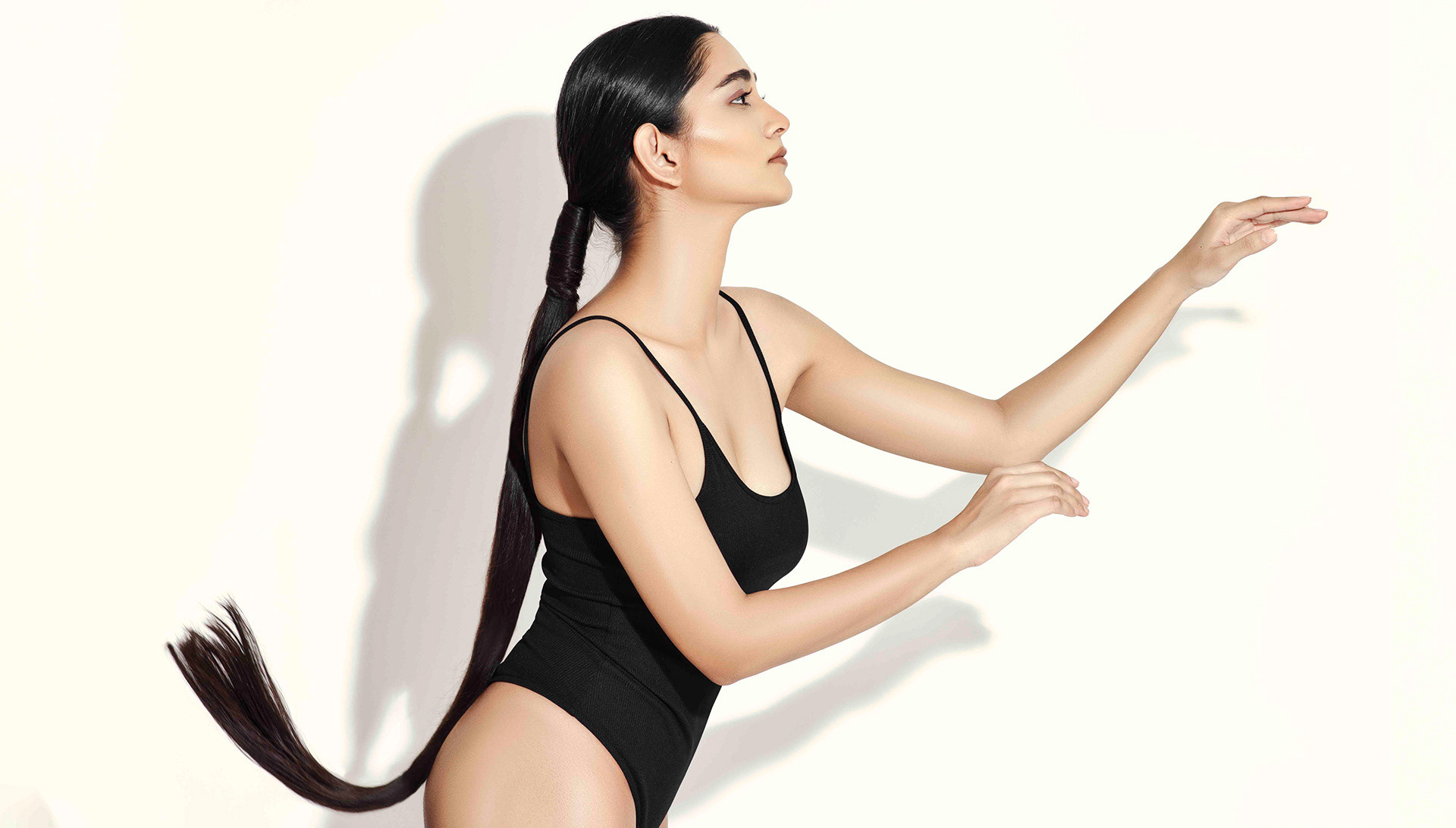
Integrating Model Photoshoots in Industrial Photography
Industrial photography is often perceived as purely functional. Large machinery, production lines, and infrastructure dominate the frame. However, including a model photoshoot element in industrial environments can significantly enhance storytelling.
A worker interacting with equipment provides scale and context. A safety engineer inspecting machinery demonstrates operational credibility. These human elements transform industrial imagery from static documentation into compelling narratives.
Specialization in Industrial Photography is essential for executing such shoots safely and effectively. Industrial environments involve complex lighting, large scale structures, and strict safety protocols. Managing these factors while directing models requires experience and planning.
The goal is to showcase both the machinery and the human expertise behind it. Industrial brands benefit from visuals that communicate capability, professionalism, and innovation. A carefully integrated model photoshoot helps achieve this without compromising authenticity.
Creative Lighting with Strobes and Constant Lights
Lighting is one of the most critical aspects of a successful model photoshoot in architectural and industrial environments. Unlike studio settings, these locations often present mixed lighting conditions and challenging shadows.
Using a combination of strobe lights and constant lights provides flexibility and control. Strobe lighting is excellent for freezing detail and shaping highlights on both the model and surrounding surfaces. It ensures sharpness and clarity, particularly in still photography.
Constant lights are crucial when filming cinematic sequences. They allow consistent exposure during movement, which is essential when creating films for interior or industrial spaces. Continuous lighting also helps maintain natural ambience while enhancing key areas of the frame.
Blending these lighting techniques creates depth and dimension. For example, strobes can define the contours of a model’s silhouette while constant lights preserve the natural mood of the room. In industrial settings, strobes may highlight metallic textures while continuous lights ensure safe and balanced visibility.
Experts such as ridhamgajjar apply this layered lighting approach to produce visually compelling results that elevate both the subject and the environment.
Strategic Planning for Impactful Visual Campaigns
A successful model photoshoot within interior, architectural, or industrial contexts requires strategic planning. Location scouting, wardrobe coordination, lighting design, and shot lists must align with the project’s objective.
For interior brands, the focus might be on lifestyle appeal. For architectural firms, it could be spatial functionality. For industrial companies, the emphasis may lie in demonstrating operational expertise. Each objective influences how the model is directed and framed.
Collaboration between the photographer, creative director, and client ensures cohesive execution. Clear communication about brand positioning and target audience helps shape the final visual output. When done correctly, the imagery feels authentic, polished, and aligned with business goals.
Conclusion
A model photoshoot is far more than a fashion concept. In interior, architectural, and industrial photography, it serves as a powerful storytelling tool. It adds scale, emotion, and relatability to carefully designed spaces and complex industrial environments.
By combining cinematic filmmaking, formal academic expertise, industrial specialization, and advanced lighting techniques using both strobe and constant lights, professionals create visuals that resonate deeply with audiences. In competitive markets where perception influences decision making, integrating a thoughtful model photoshoot into spatial storytelling can significantly elevate brand impact.
Frequently Asked Questions
1. Why include a model in interior photography?
Including a model adds scale and relatability. It helps viewers understand how the space functions in real life and creates emotional engagement.
Including a model adds scale and relatability. It helps viewers understand how the space functions in real life and creates emotional engagement.
2. How does a model photoshoot enhance architectural films?
Models bring movement and life into architectural films. Their presence demonstrates spatial flow and strengthens storytelling.
Models bring movement and life into architectural films. Their presence demonstrates spatial flow and strengthens storytelling.
3. Is industrial photography suitable for model integration?
Yes, when done strategically. Including professionals or workers in industrial settings adds context and credibility without compromising authenticity.
Yes, when done strategically. Including professionals or workers in industrial settings adds context and credibility without compromising authenticity.
4. Why is lighting important in architectural model shoots?
Proper lighting ensures both the environment and the model are balanced. It enhances texture, depth, and visual clarity.
Proper lighting ensures both the environment and the model are balanced. It enhances texture, depth, and visual clarity.
5. What role does formal photography education play in such shoots?
A Bachelor’s degree in Photography provides technical and creative expertise. It ensures precision, composition control, and consistent professional quality.
A Bachelor’s degree in Photography provides technical and creative expertise. It ensures precision, composition control, and consistent professional quality.