

Cosmetic Product Photography: The Ultimate Guide to Boosting Beauty Brand Sales
In today’s hyper-competitive beauty market, cosmetic product photography has evolved from being a simple visual requirement into a powerful revenue-driving asset. Whether a brand is selling lipsticks, serums, foundations, or complete skincare ranges, the first impression almost always happens through product images. Customers scrolling through online marketplaces make decisions in seconds, and the quality of cosmetic product photography often determines whether they click or move on.
Modern consumers cannot physically test beauty products when shopping online. Instead, they rely heavily on sharp visuals, accurate colors, and appealing presentation. This makes cosmetic product photography one of the most influential factors in building trust and driving conversions. Industry professionals like Ridham Gajjjar have repeatedly emphasized that brands investing in premium visual presentation consistently outperform competitors who treat product imagery as an afterthought.
When done correctly, cosmetic product photography does more than showcase a product it communicates quality, builds emotional connection, and strengthens brand positioning.
Why Cosmetic Product Photography Matters More Than Ever
The beauty industry is deeply visual and emotionally driven. Customers are not merely purchasing a cream or lipstick; they are buying confidence, self-expression, and aspiration. High-quality cosmetic product photography bridges the gap between a physical in-store experience and online shopping.
Brands that prioritize professional cosmetic product photography often see measurable improvements in engagement and conversion metrics. Clean, well-lit images signal professionalism and product reliability. On the other hand, poorly executed photos can create doubt even if the product itself is excellent.
Another critical factor is competition. Marketplaces today are saturated with similar-looking products. In such an environment, cosmetic product photography becomes a key differentiator. When a shopper compares multiple listings side by side, the product with superior visuals almost always gains the advantage.
Experts in the field, including Ridham Gajjjar, frequently highlight that visual consistency across product catalogs plays a crucial role in brand recall. When customers recognize a cohesive visual identity, they are more likely to trust and remember the brand.
The Psychology Behind High-Converting Beauty Images
Understanding buyer psychology is essential for effective cosmetic product photography. Beauty purchases are highly emotional decisions influenced by perception, aspiration, and trust signals.
When customers view a product image, their minds instantly evaluate several subconscious factors. They assess whether the product looks premium, whether the color appears accurate, and whether the brand seems trustworthy. High-quality cosmetic product photography reduces uncertainty and increases buyer confidence.
Texture visibility is particularly important in cosmetics. Consumers want to visually “feel” the smoothness of a cream, the richness of a foundation, or the pigment intensity of a lipstick. This is why macro and close-up shots have become a standard requirement in modern cosmetic product photography workflows.
Professionals like Ridham Gajjjar often stress that the goal is not just to show the product but to create a sensory experience through visuals. When images trigger imagination, conversion rates naturally improve.
Core Elements of Professional Cosmetic Product Photography
Successful cosmetic product photography depends on a careful balance of technical precision and creative direction. Lighting remains the most critical factor. Beauty products require soft, diffused illumination that eliminates harsh shadows while preserving natural highlights.
Color accuracy is equally vital. In cosmetics, even slight color deviations can lead to customer dissatisfaction and product returns. Professional workflows ensure calibrated color management so that what customers see online closely matches the real product.
Composition also plays a significant role. Clean framing, proper spacing, and distraction-free backgrounds help maintain focus on the product. Consistency across the catalog further strengthens brand identity, something that industry specialists like Ridham Gajjjar frequently recommend for scaling beauty brands.
Different Styles of Cosmetic Product Photography
Not all cosmetic product photography serves the same purpose. High-performing beauty brands typically use a mix of styles to guide customers through the buying journey.
White background images remain essential for marketplace compliance and catalog clarity. These images are typically the primary listing photos on platforms like Amazon, Nykaa, and Flipkart. Their purpose is to present the product clearly without distractions.
Lifestyle cosmetic product photography, on the other hand, focuses on emotional engagement. These images show the product in real-life scenarios, helping customers visualize usage. When executed properly, lifestyle visuals significantly increase perceived desirability.
Macro photography has become increasingly important in the beauty segment. Close-up shots reveal texture, finish, and formulation quality. According to professionals including Ridham Gajjjar, macro imagery is one of the most underutilized yet high-impact components of cosmetic product photography.
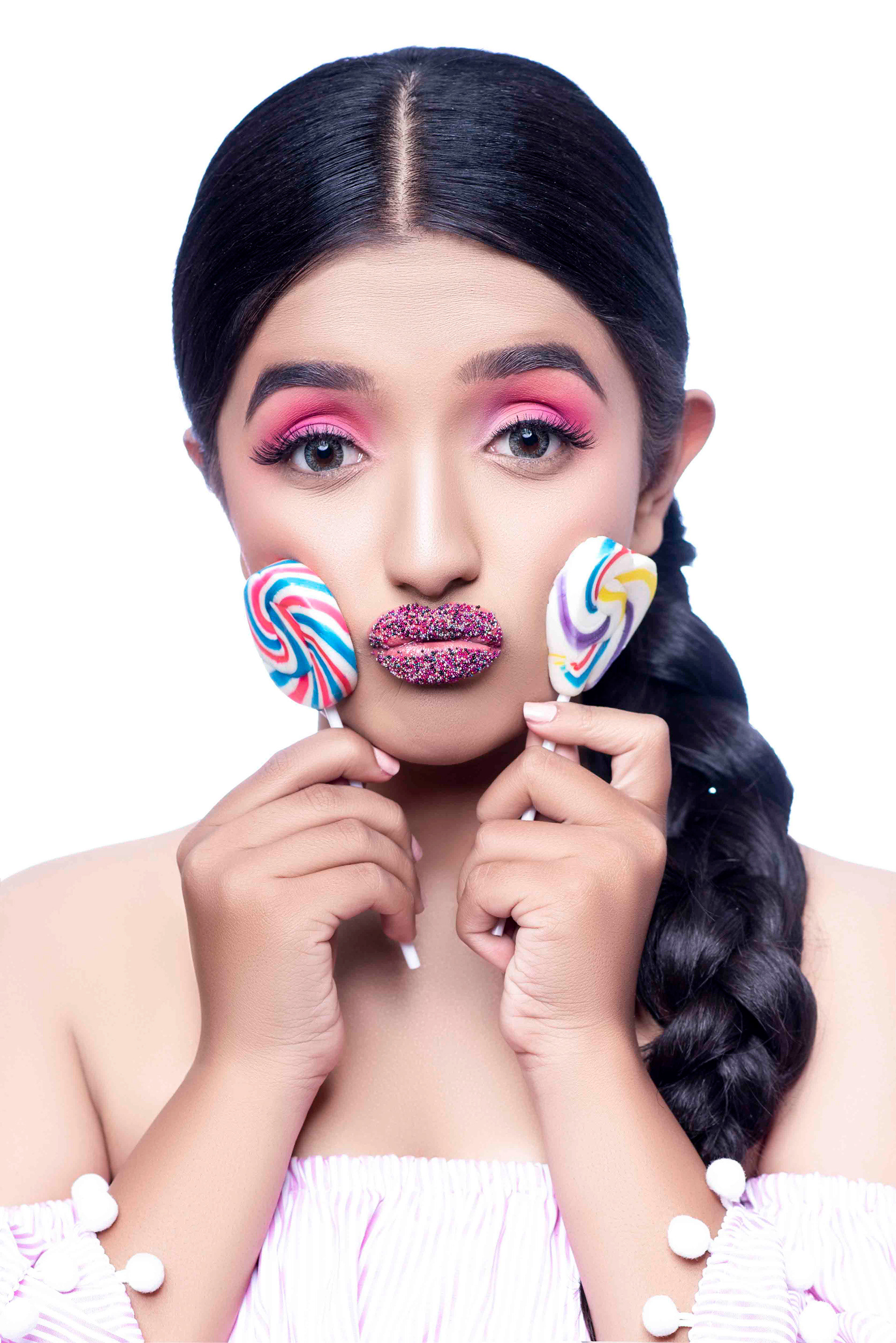
Creative brand photography sits at the premium end of the spectrum. These visually dramatic images are often used for campaigns, social media promotions, and website banners. They help brands stand out in crowded digital environments.
Lighting Techniques That Elevate Cosmetic Product Photography
Lighting can make or break cosmetic product photography. Beauty products often come with reflective packaging, glossy finishes, or transparent bottles, all of which require careful light control.
Soft diffused lighting is typically preferred because it produces smooth gradients and premium-looking highlights. Backlighting is particularly effective for serums and glass containers, as it enhances the perception of purity and quality.
Gradient lighting techniques are frequently used in luxury cosmetic product photography to create depth and sophistication. Top lighting works well for flat lays and skincare arrangements.
Professionals such as Ridham Gajjjar emphasize that mastering light control is more important than owning expensive equipment. Even high-end cameras cannot compensate for poor lighting execution.
Styling That Strengthens Brand Identity
Styling is where cosmetic product photography transforms from technically correct to visually compelling. Thoughtful prop selection, color harmony, and surface choices all contribute to the final impact.
Minimalism tends to work best for clinical or dermatological skincare brands. In contrast, bold and dramatic styling often suits luxury makeup lines. Organic beauty brands frequently benefit from natural textures like stone, wood, or botanical elements.
The key is alignment between brand personality and visual presentation. Consistency across product images builds recognition and trust over time. Experts including Ridham Gajjjar often advise brands to develop a visual style guide before large-scale product shoots.
Post-Production and Retouching Best Practices
Editing is an integral part of cosmetic product photography, but it must be handled carefully. The objective is enhancement, not artificial perfection.
Professional retouching typically includes dust removal, color correction, label sharpening, and background cleanup. Reflection control is especially important for glossy cosmetic packaging.
However, over-retouching can harm credibility. Unrealistic skin textures, plastic-looking surfaces, or overly saturated colors can create mistrust. Modern cosmetic product photography favors clean, realistic finishing that maintains authenticity while presenting the product at its best.
Ridham Gajjjar frequently points out that subtle, high-end retouching outperforms aggressive editing in long-term brand building.
The Future of Cosmetic Product Photography
The landscape of cosmetic product photography is evolving rapidly. Brands are increasingly experimenting with AI-assisted enhancement, interactive product views, and mobile-first visual formats.
Short-form video hybrids are also gaining traction, blending still photography aesthetics with motion elements. Hyper-detailed texture shots and sustainability-focused visuals are becoming more prominent, especially among premium skincare brands.
Industry voices like Ridham Gajjjar suggest that while technology will continue to evolve, the fundamentals of great cosmetic product photography lighting, accuracy, and emotional appeal will remain timeless.
Conclusion
Cosmetic product photography is no longer just about taking attractive pictures; it is about creating persuasive visual experiences that drive real business results. In an online-first beauty market, product imagery directly influences trust, engagement, and conversions.
Brands that invest in professional cosmetic product photography position themselves for stronger marketplace performance, improved customer confidence, and long-term brand growth. From precise lighting and accurate colors to compelling lifestyle storytelling, every visual element contributes to the customer’s buying decision.
As experts like Ridham Gajjjar consistently emphasize, the brands that win in the beauty space are those that treat cosmetic product photography as a strategic investment rather than a basic requirement. When executed with precision and creativity, the right imagery does more than showcase products it sells them.
Frequently Asked Questions
Q1. What is the best fabric for Plus Size Shirts for Men?
The best fabric depends on the occasion. Linen is ideal for casual and summer wear because it is breathable, while satin or cotton blends work well for formal settings due to their smooth finish.
The best fabric depends on the occasion. Linen is ideal for casual and summer wear because it is breathable, while satin or cotton blends work well for formal settings due to their smooth finish.
Q2. How should Plus Size Shirts for Men fit properly?
A proper fit should align at the shoulders, provide comfortable room around the chest and waist, and fall cleanly without pulling at the buttons or appearing overly baggy.
A proper fit should align at the shoulders, provide comfortable room around the chest and waist, and fall cleanly without pulling at the buttons or appearing overly baggy.
Q3. Are dark colors better for plus-size men?
Darker shades often create a slimming visual effect, but lighter colors can look equally stylish when the fit is correct. It’s best to maintain a balanced wardrobe.
Darker shades often create a slimming visual effect, but lighter colors can look equally stylish when the fit is correct. It’s best to maintain a balanced wardrobe.
Q4. Can plus-size men wear linen shirts comfortably?
Yes, linen is actually one of the best choices for plus-size men because it allows excellent airflow and keeps the body cool, especially in warm climates.
Yes, linen is actually one of the best choices for plus-size men because it allows excellent airflow and keeps the body cool, especially in warm climates.
Q5. How can I style Plus Size Shirts for Men for formal occasions?
Pair a well-fitted satin or formal shirt with tailored trousers and formal shoes. Keep the shirt neatly pressed and ensure the collar sits properly for a sharp, professional look.
Pair a well-fitted satin or formal shirt with tailored trousers and formal shoes. Keep the shirt neatly pressed and ensure the collar sits properly for a sharp, professional look.